Need to know
Do I need a visa to visit Tasmania? Will my phone work? Are there biosecurity measures and detector dogs at the airport?
Yes, yes and yes.
Here are some things you might need to know before visiting Tasmania.
Do I need a passport and visa to visit Tasmania?
Tasmania is a state in the Commonwealth of Australia, so Australian entry and visa requirements apply.
- If you're not an Australian citizen you will need a passport to enter Australia.
- You will also need to apply for a valid visa before arrival, regarless of the purpose or duration of your stay.
- New Zealanders don't need to apply for a visa before coming - if you're eligible you will be granted a special visa on arrival.
There are currently limited international flights direct to Tasmania, so most travellers arriving by air will pass through immigration at a mainland Australia airport before arriving in Tasmania.
Air New Zealand operates seasonal direct flights between Auckland and Hobart from October to March. Passengers will pass through immigration at Hobart Airport.
For more information visit the Australian Border Force website.

Check Australian visa and entry requirements before you arrive
Do I need travel and health insurance?
Travel insurance
While travel insurance is not mandatory to visit Australia, it is highly recommended. Depending on the coverage you choose, travel insurance generally covers unexpected events that may affect your trip like:
- Cancellations, changes and delays both before and during your trip
- Stolen or lost bags and valuables
- Rental car excess
- Personal accident liability
- Medical emergencies, repatriation and evacuation
Adventure travellers planning to explore the great outdoors should consider extra cover for specific activities.
Health or medical insurance
If you need medical care during your visit, you may be charged the entire cost of treatment. While travel insurance covers some costs for unexpected medical emergencies, you will need health insurance to cover other health and medical services and ongoing treatment for pre-existing conditions.
Overseas health or medical insurance is similar to a domestic health insurance policy and generally covers ambulance and emergency medical plus optional extras like dental, optical, vaccinations, maternity care, inpatient hospital services and outpatient treatment.
- Australia has reciprocal health care agreements with the 11 countries on this list that covers basic subsidised healthcare and emergency treatment in public hospitals.
- If your country of origin isn't listed, you should consider taking out health insurance for your trip. You may need overseas visitor health insurance as a visa requirement.
- The Australian Government recommends all visitors get health insurance for their visit (regardless of whether or not it is a visa condition).
Read Tourism Australia’s Health and Safety Frequently Asked Questions for more information.

Summit of Kunanyi / Mount Wellington
Ambulance costs in Tasmania
If you are not a resident of Tasmania, you may be charged costs for using ambulance services in some situations. International travellers should invest in travel insurance or overseas visitor health insurance. Visiting from another Australian state? While reciprocal agreements exist with other states for some ambulance services, which can cover costs, it's still worth checking your domestic health insurance to make sure you won't be out of pocket. Aeromedical services are not covered.
What if I get sick while travelling?
Here are some helpful contacts if you get sick or need medical care while travelling in Tasmania:
- For life-threatening emergencies call Triple Zero (000) or go to the nearest hospital emergency department
- For non life-threatening situations call the free 24/7 healthdirect line on 1800 022 222
- Visit the healthdirect website to search for nearby health services including General Practices (GPs), pharmacies, emergency departments, hospitals and urgent care services.
For more information visit Health Tas.
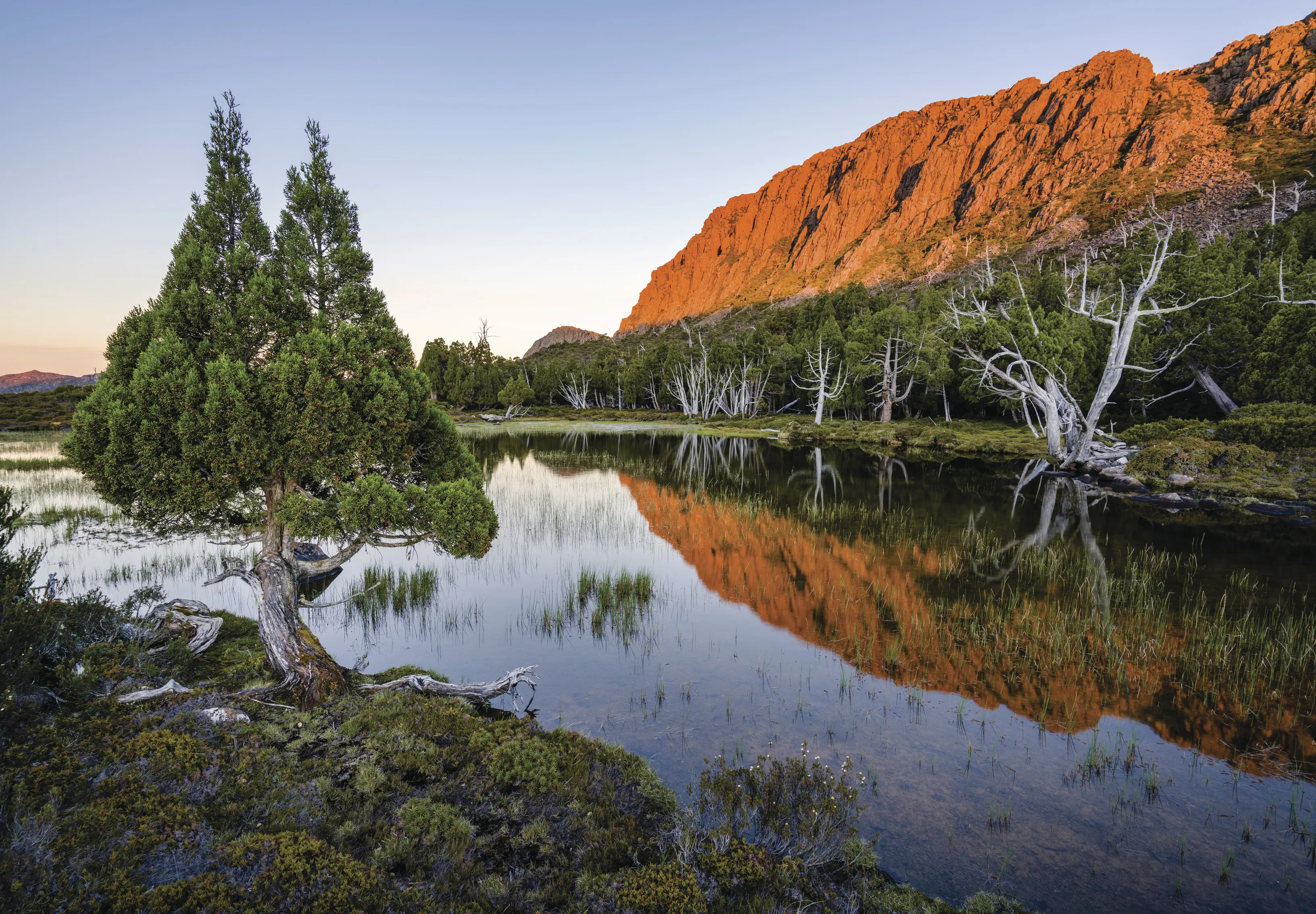
Tasmania's national parks protect ancient plants and unique animals
What are the biosecurity rules when I arrive?
Ditch the apple core before you get off the plane.
Tasmania has some of the world's strictest biosecurity measures - for good reason. The introduction of a pest or disease could have disastrous effects on the island's pristine environments, unique wildlife, celebrated produce, local industries and communities.
Please help us keep Tasmania free from introduced diseases, pests and weeds by making sure you’re not carrying or importing any restricted items, including all fresh fruit and vegetables, animal products and seed. You’ll likely be greeted by a friendly biosecurity officer and highly trained detector dog at Tasmanian airports and the ferry terminal.
For details about what you can and can’t bring into Tasmania, see Biosecurity Tasmania.
What time zone does Tasmania use?
Tasmania’s standard time zone is UTC/GMT + 10 hours, the same as Sydney and Melbourne. This is called Eastern Standard Time (EST) or Australian Eastern Standard Time (AEST), and should not be confused with EST in North America.
Tasmania observes daylight saving from early October until early April and becomes UTC/GMT + 11 hours. This is called Eastern Daylight Time (EDT) or AEDT.
Is there good mobile coverage in Tasmania?
There is mobile phone coverage across Tasmania, though it can be patchy outside towns and doesn’t always extend to remote areas. The Telstra network has the most coverage across the state, Optus also has wide coverage, while smaller providers like Vodafone are more limited.
If you're heading into wilderness areas, you should prepare for no phone reception. Don't rely only on mobile apps for navigation - directions and distances are not always up to date. Pick up a physical map from a visitor centre or online from Tasmap and remember to download your digital maps offline.
Most hotels and accommodation offer free internet access, and there are wi-fi hotspots across the island.
For international calls, dial 0011 and the country code. Australia’s country code is +61.
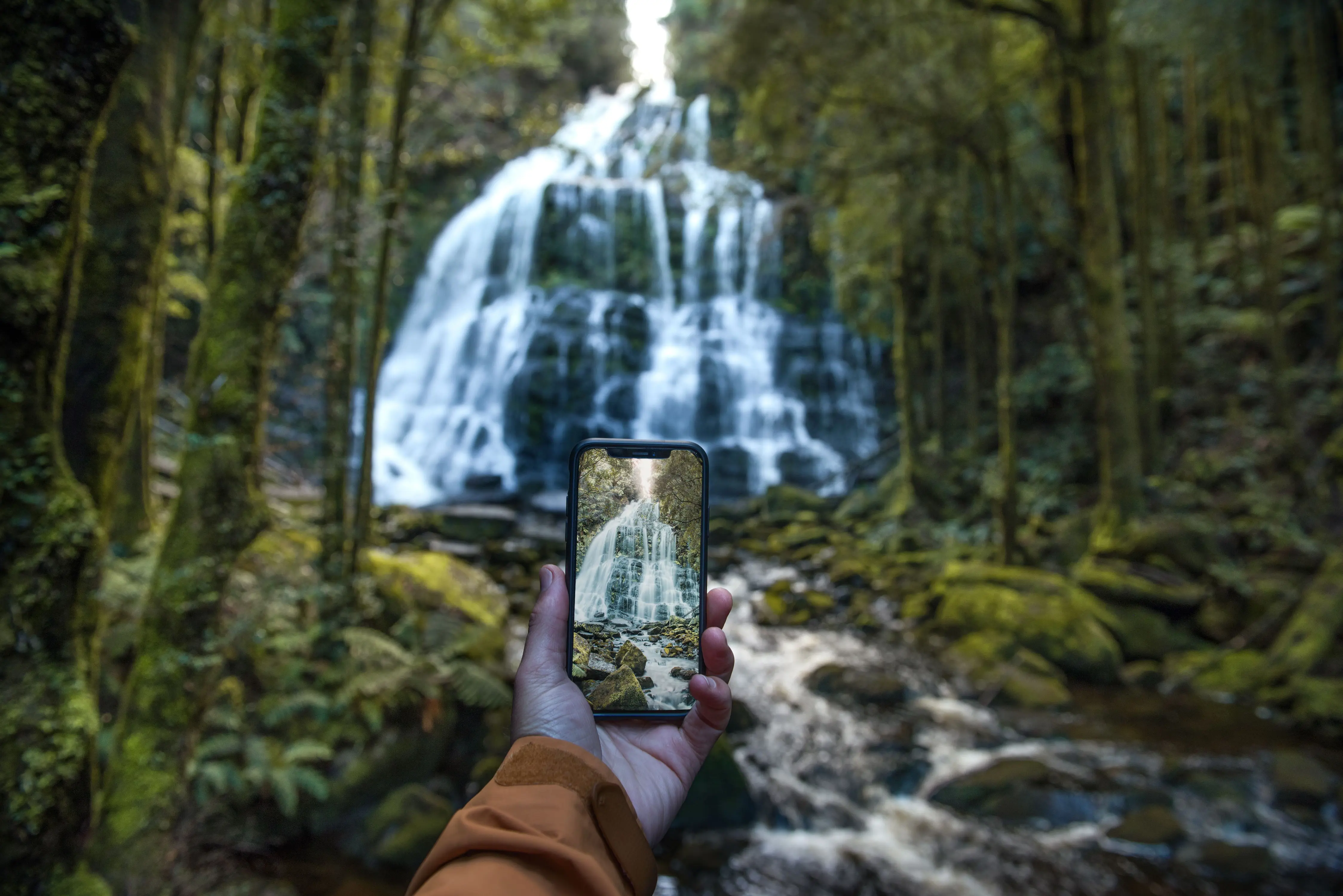
There is mobile coverage across Tasmania but it can be patchy in remote areas
Can I do a working holiday in Tasmania?
Love it so much you don’t want to leave?
The Australian Government's Working Holiday Maker Program, which includes the Working Holiday visa and the Work and Holiday visa, is a cultural exchange program that enables young travellers to have an extended holiday and earn money through short-term employment.
If you’re aged between 18 and 30 and hold a passport for a country or region participating in Australia's Working Holiday Maker Program, you may be eligible to apply for a 12-month visa that enables you to work in Australia.
In certain circumstances, such as working in Australia's regional areas, there may be an option to extend a stay for an extra 12 months.
Start planning your Australian working holiday to Tasmania.
How do I explore Tasmania's wilderness areas safely?
Weather conditions can change fast and frequently in Tasmania's remote wilderness and alpine areas. Snow, rain, wind and even bushfires are all possible at any time of year. Tracks in wilderness areas may be hard to follow with limited or no signage, and are only suitable for experienced, well-equipped hikers. Before you visit a national park in Tasmania, make sure you read this essential information and brush up on important safety tips.