Ross
No bridge is too far to see one of Tasmania’s prettiest towns.
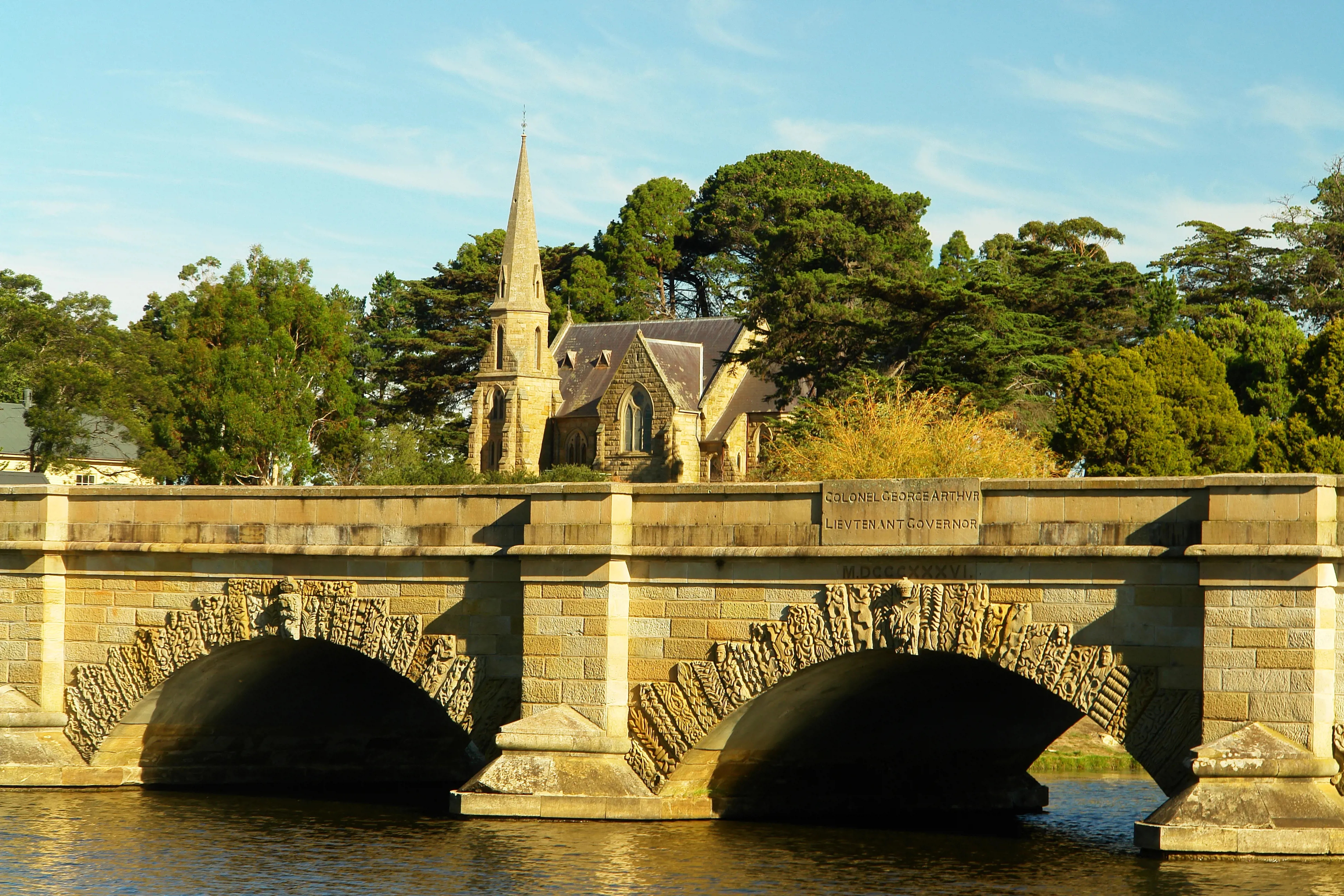
At the heart of the state, Ross has one of Tasmania’s most fascinating bridges and a bright and beautiful display of autumn colours along its heritage-rich streets.
Begin at the main crossroads and choose your path – its four corners are said to represent temptation (in the form of the Ross Hotel), salvation (the Catholic Church), recreation (the town hall) and the toughest journey of all, damnation (a former jail).
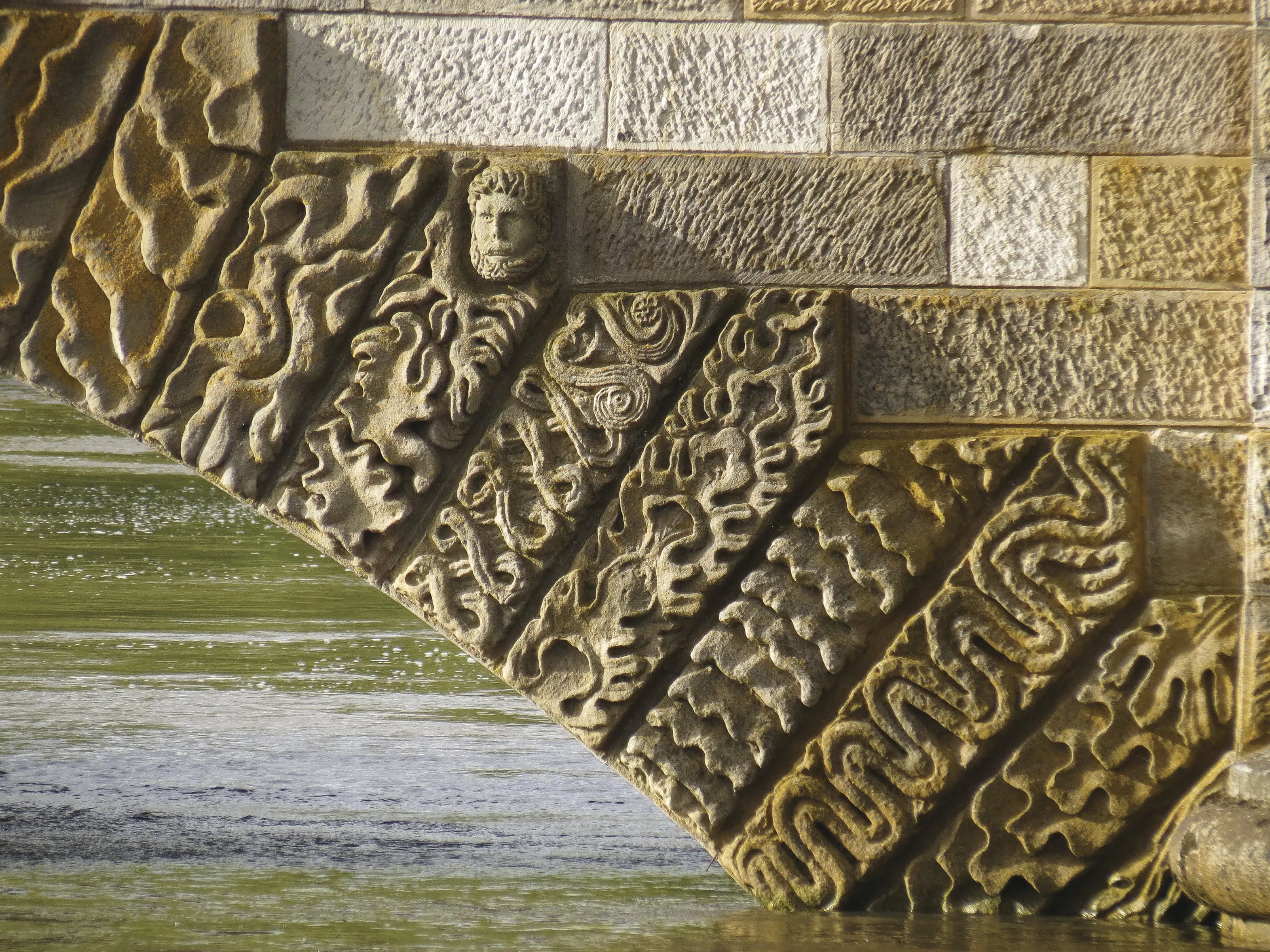
Bring binoculars for a good look at the 186 carvings adorning the 1836 convict-built Ross Bridge. Said to be based on real people, the sculptures are so awe-inspiring that their convict creator, Daniel Herbert, won a pardon for his work.
The Ross Female Factory Historic Site was originally built to house convict chain gangs constructing the bridge, and was converted to become one of the state’s four female factories. It operated as a probation station for female convicts and their babies between 1847 and 1854, and is now Australia’s most archaeologically intact female convict site.
It was rumoured that the sandstone Ross Hotel, built in 1835, was haunted, but these days it’s best known for upmarket pub fare, craft beers, a cracking wine list and attractive gardens.
Ross Bridge
Tourism Tasmania & Kathryn Leahy
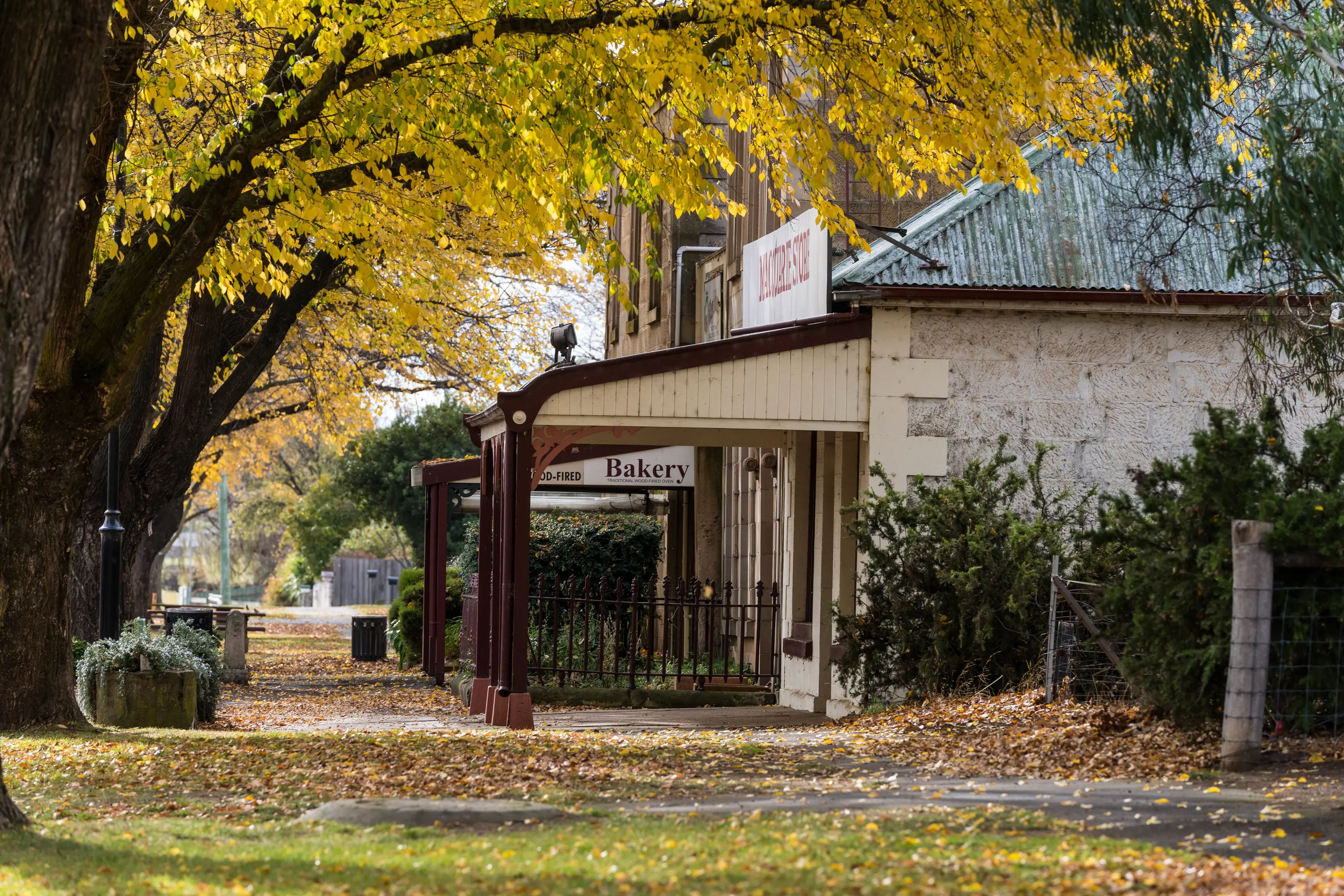
Bakery31, Ross
Alastair Bett
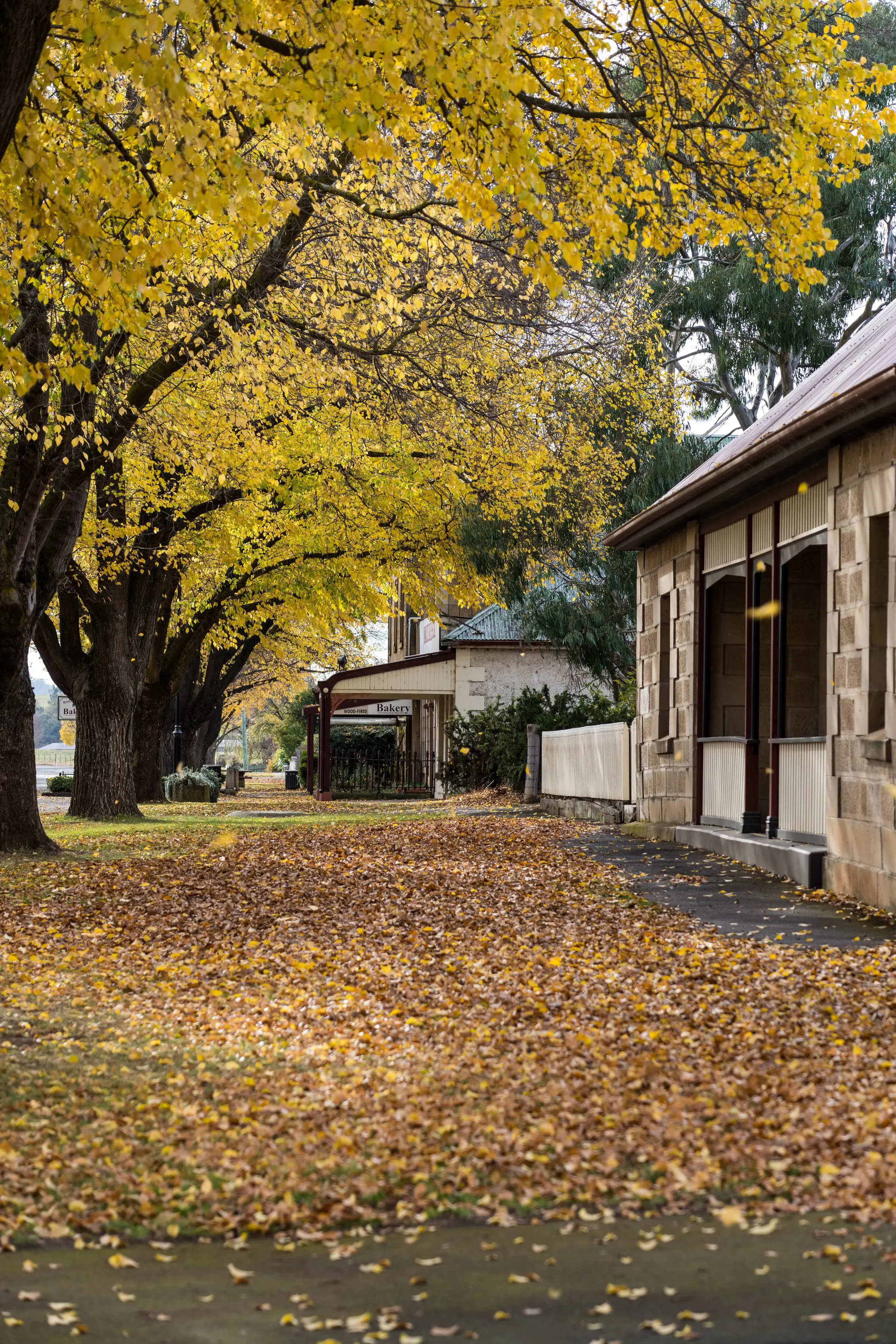
Church Street, Ross
Alastair Bett
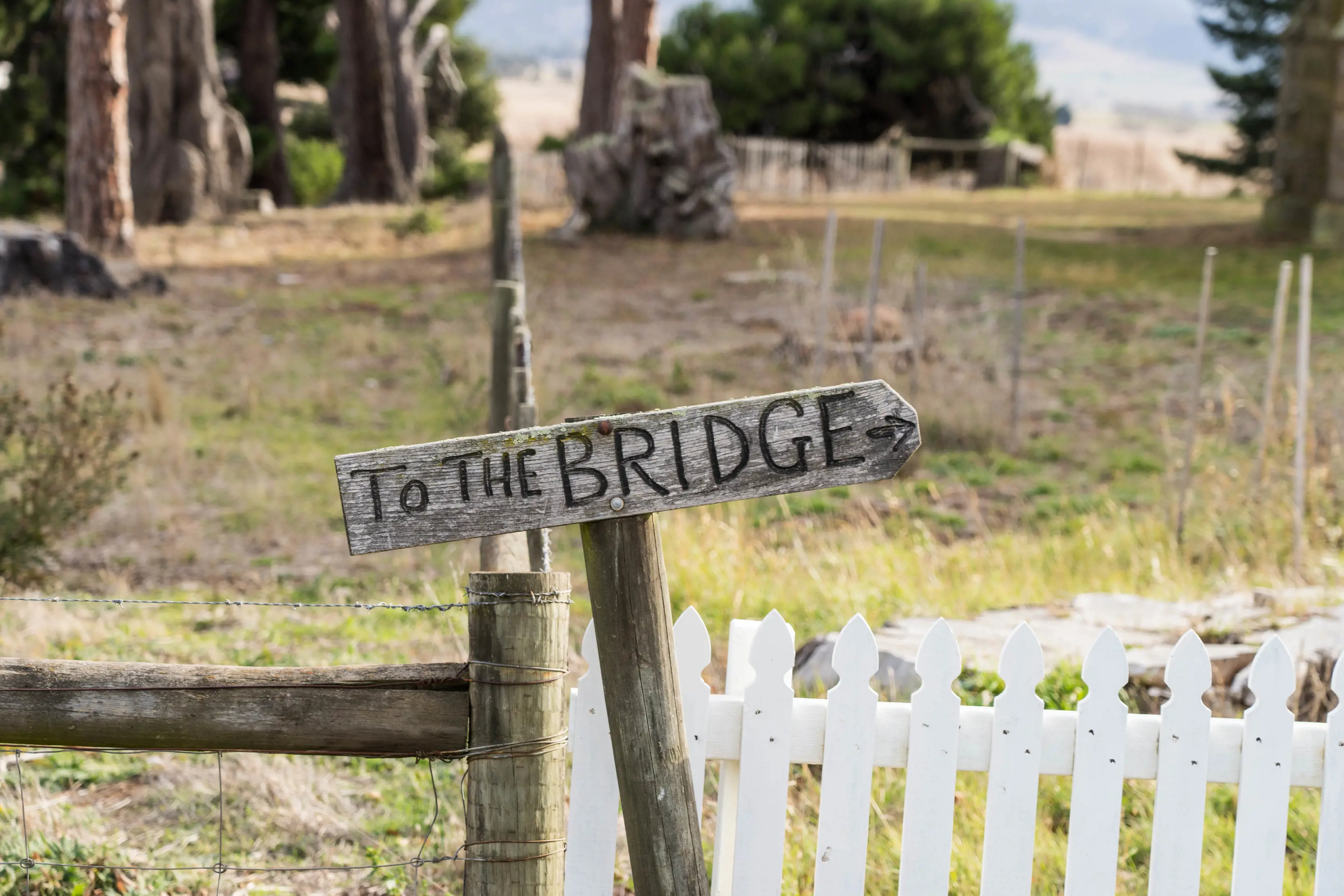
To the bridge sign, Ross
Alastair Bett
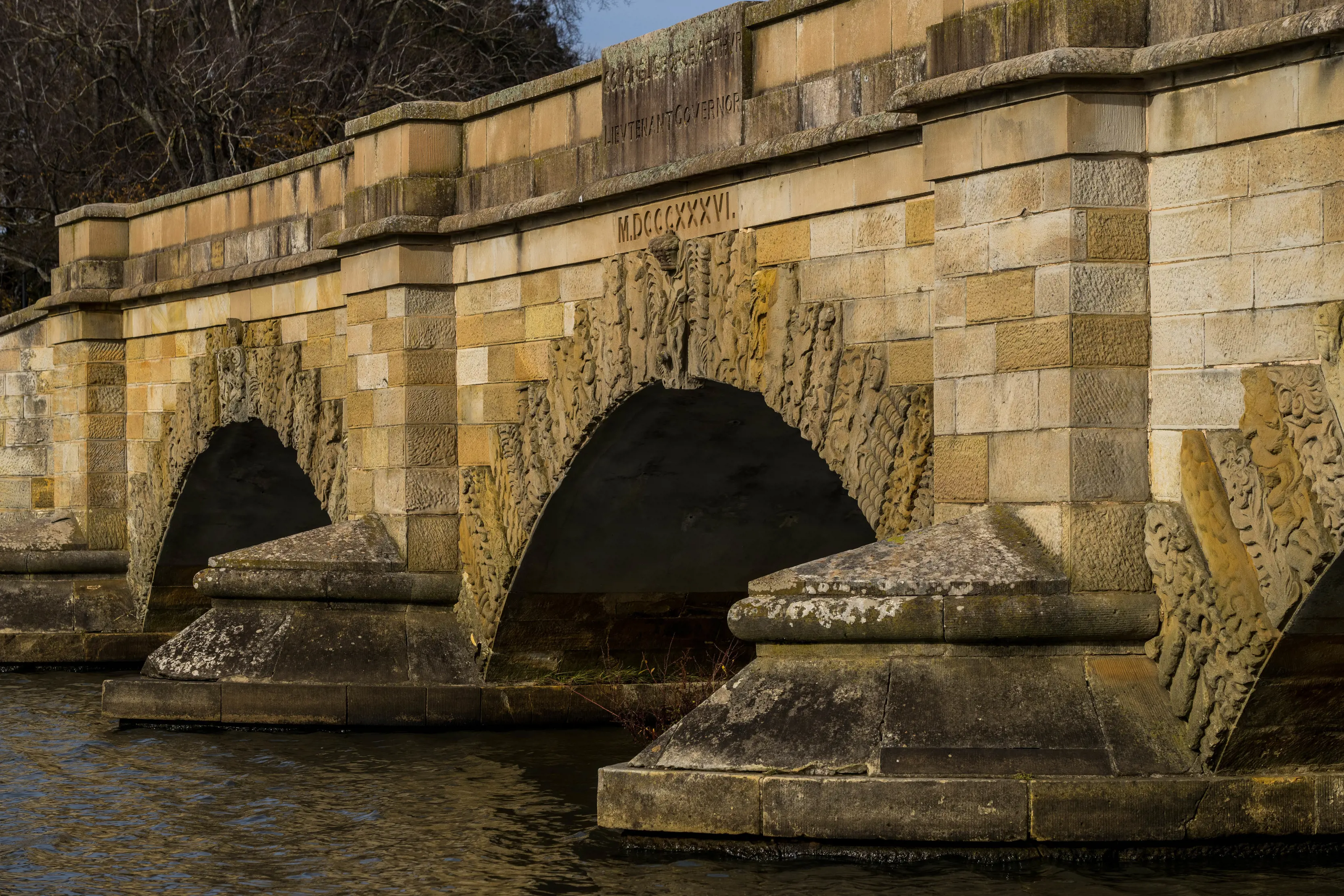
Ross Bridge
Alastair Bett
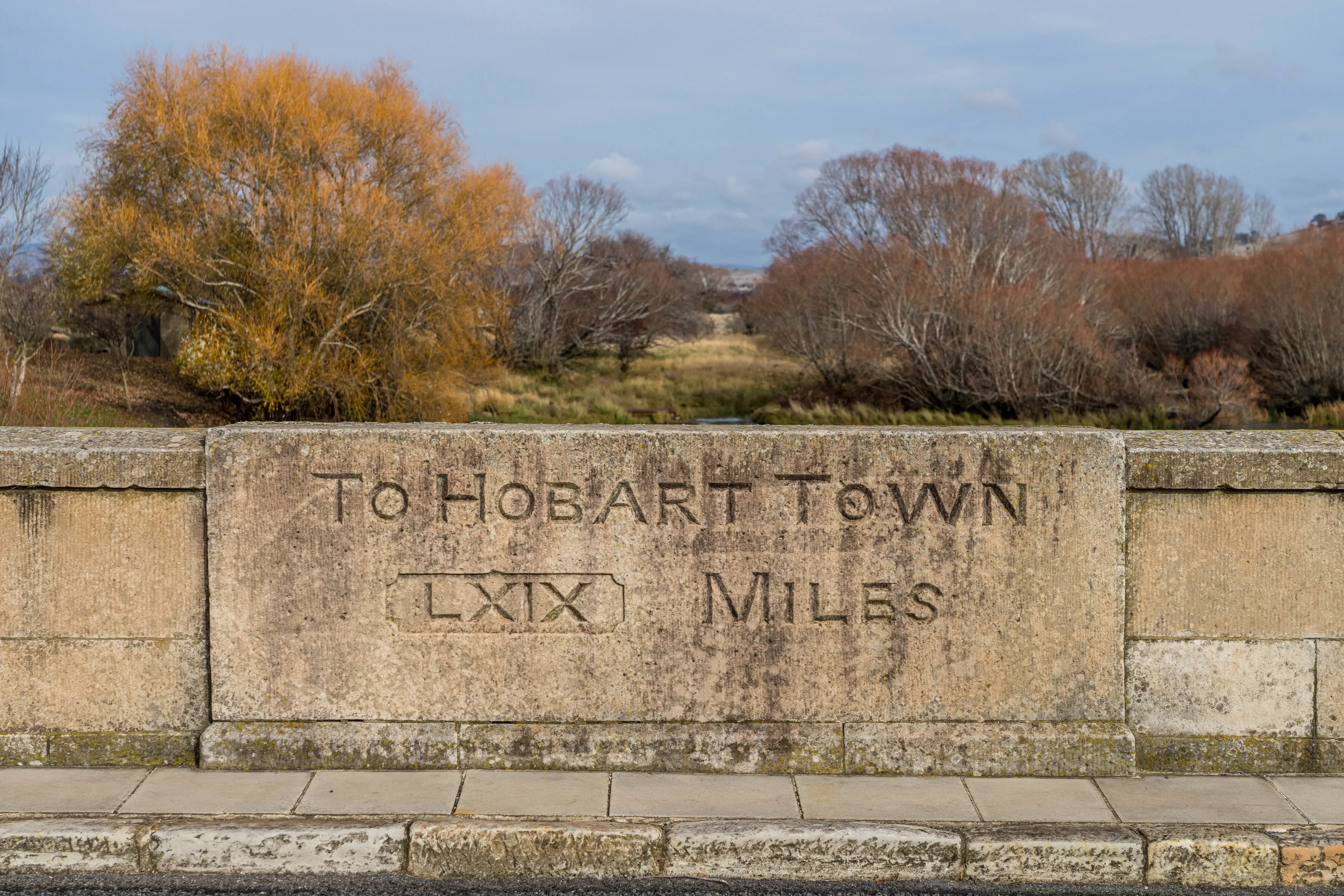
Miles to Hobart Town carving, Ross Bridge
Alastair Bett
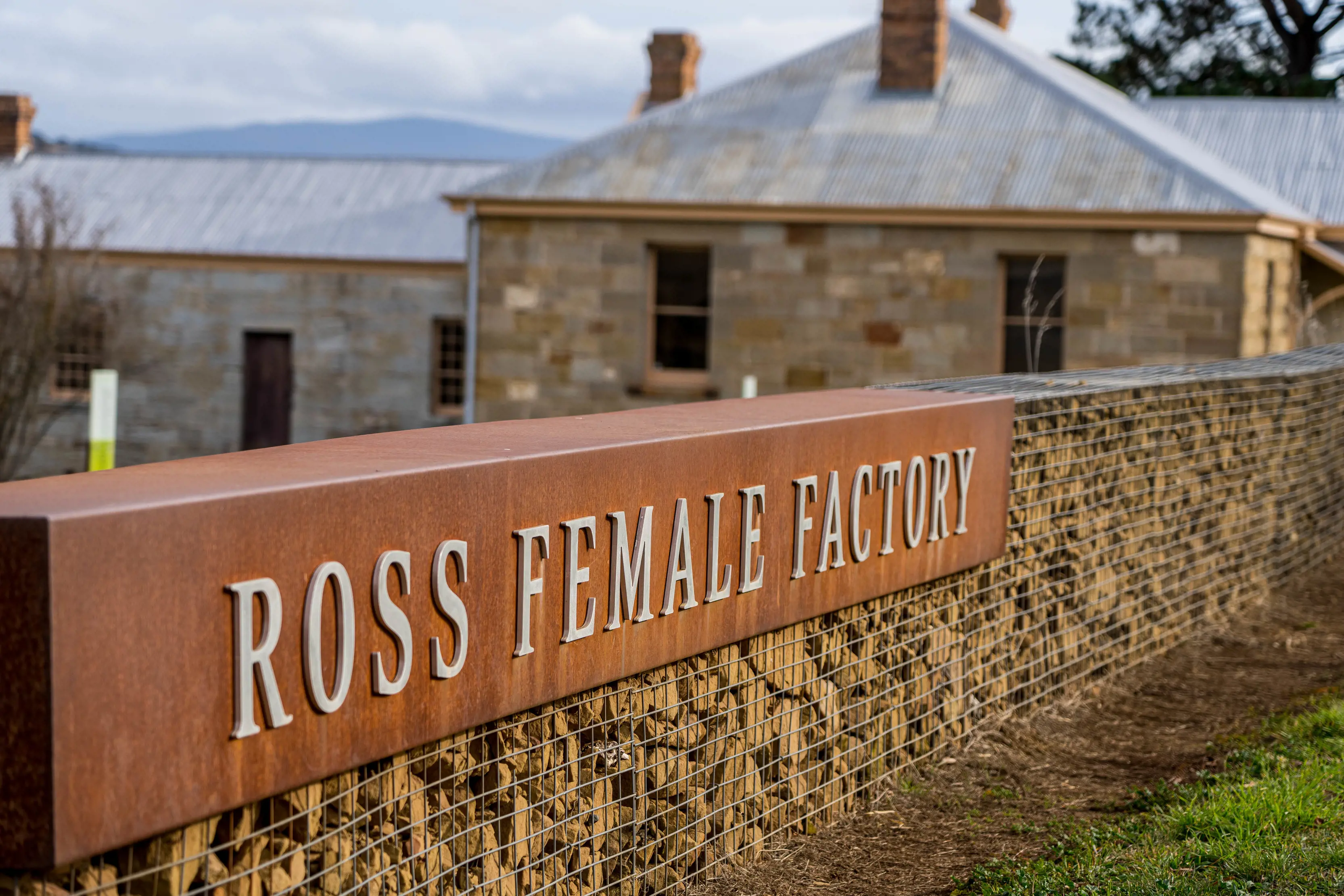
Ross Female Factory
Alastair Bett
Where
Ross is a 55min drive (80km) south of Launceston, and a 90min drive (120km) north of Hobart.
Insider tips
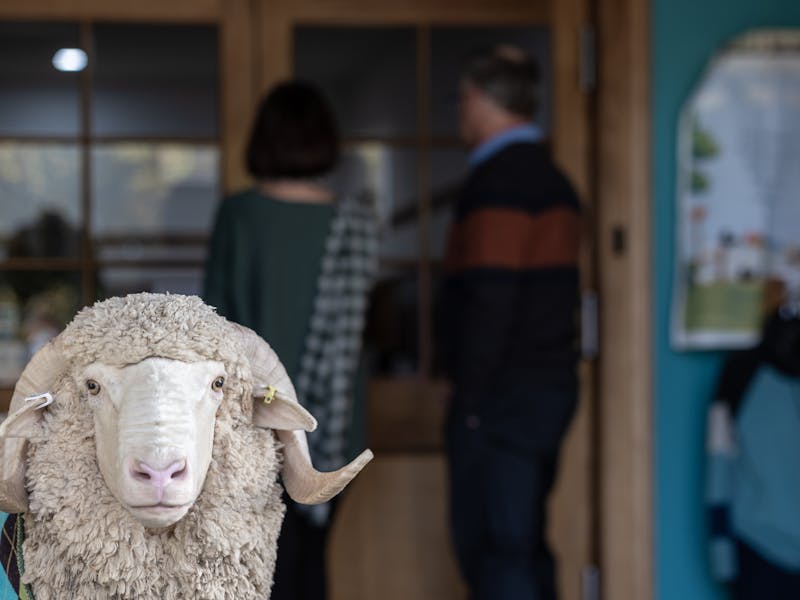
- Merino sheep were introduced to Tasmania just down the road from Ross. Trace the wool industry’s local history at the Tasmanian Wool Centre, featuring a re-created shearing shed, galleries and one of the state's largest retail areas dedicated to woollens.
- Drop into the Ross Bakery Inn, housed in a convict-built Georgian house, for wood-fired treats and to try its award-winning vanilla slice.