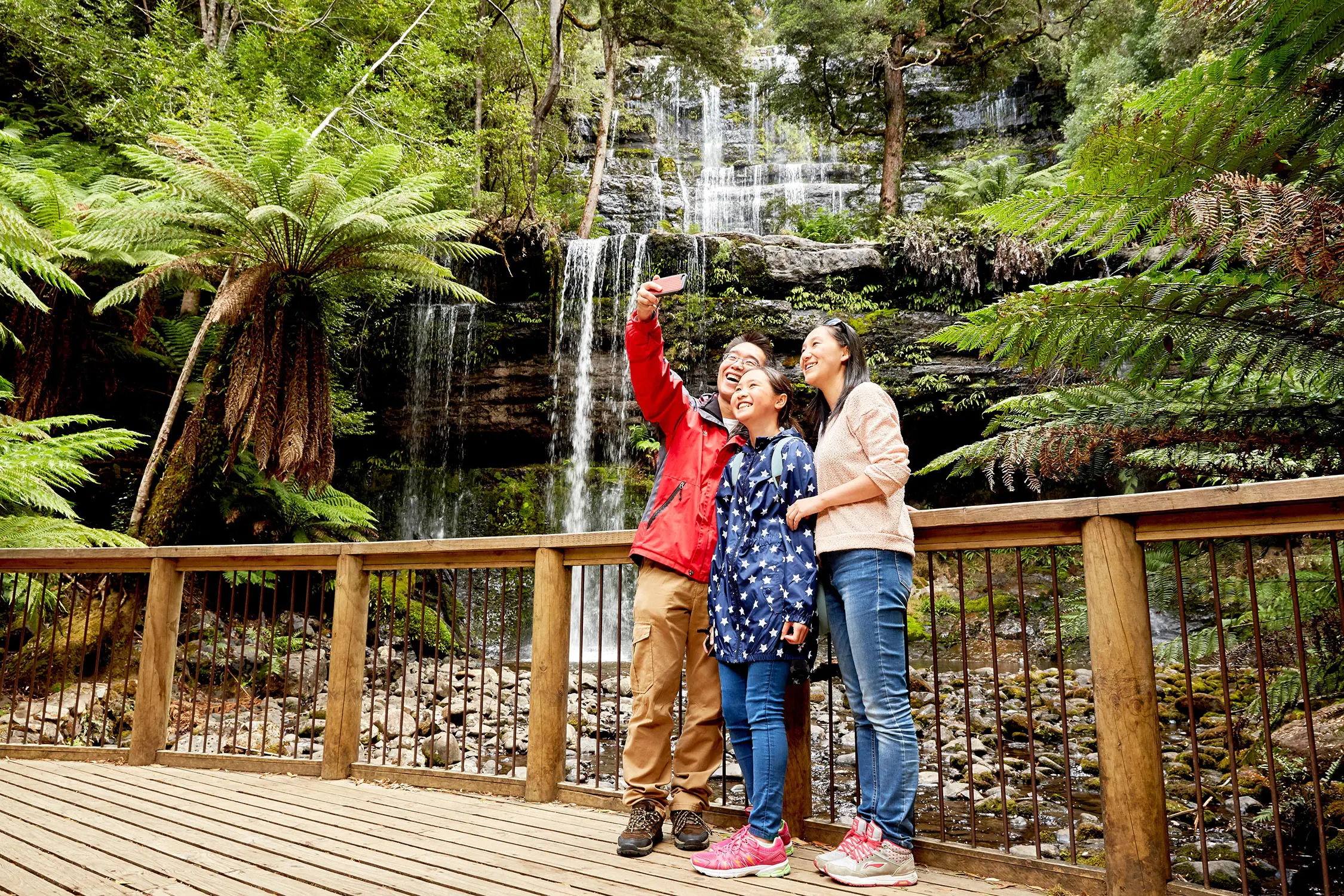
Accessible Russell Falls walk
Tourism Tasmania

Access your favourites here
You have a trip stored, would you like to save it?
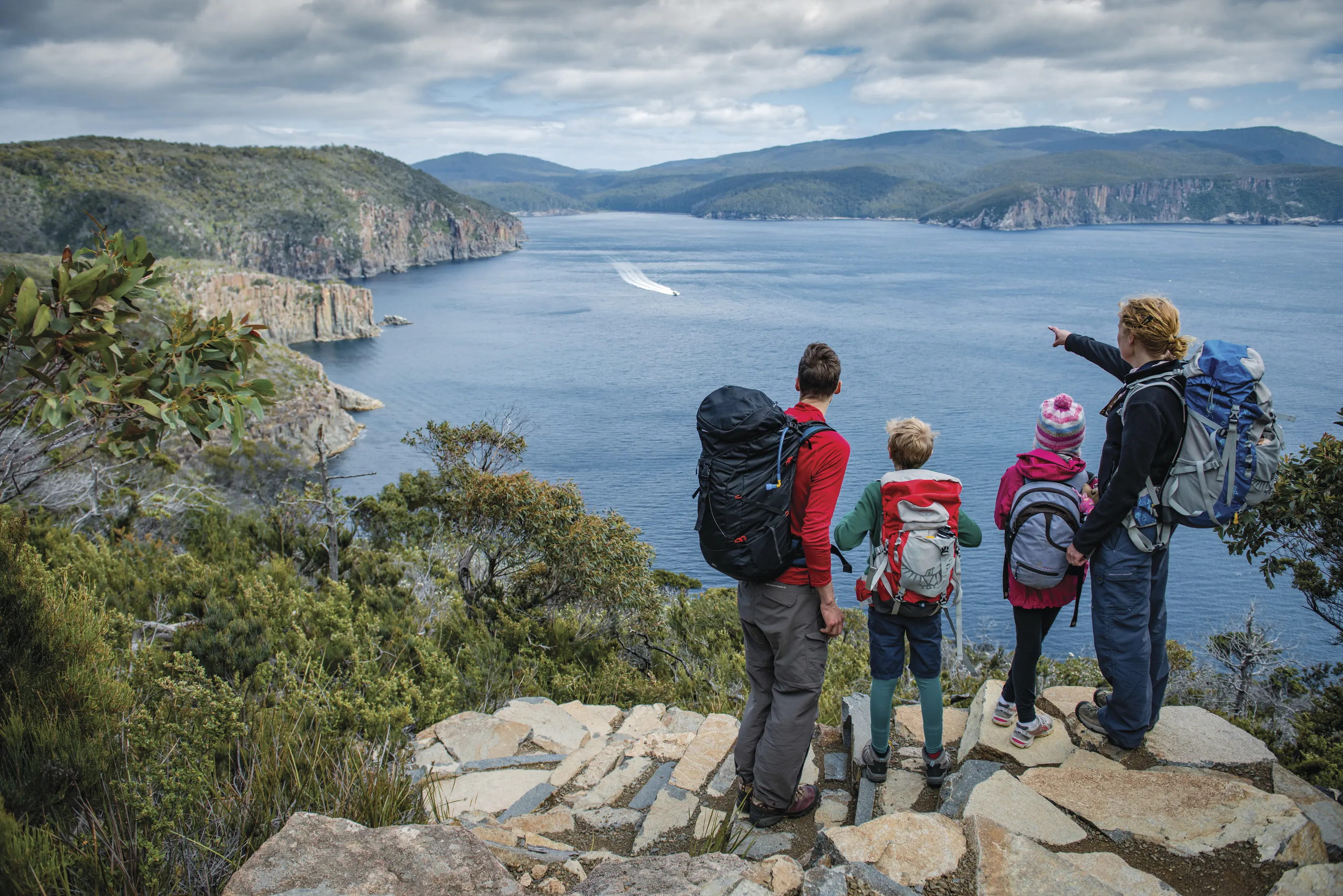
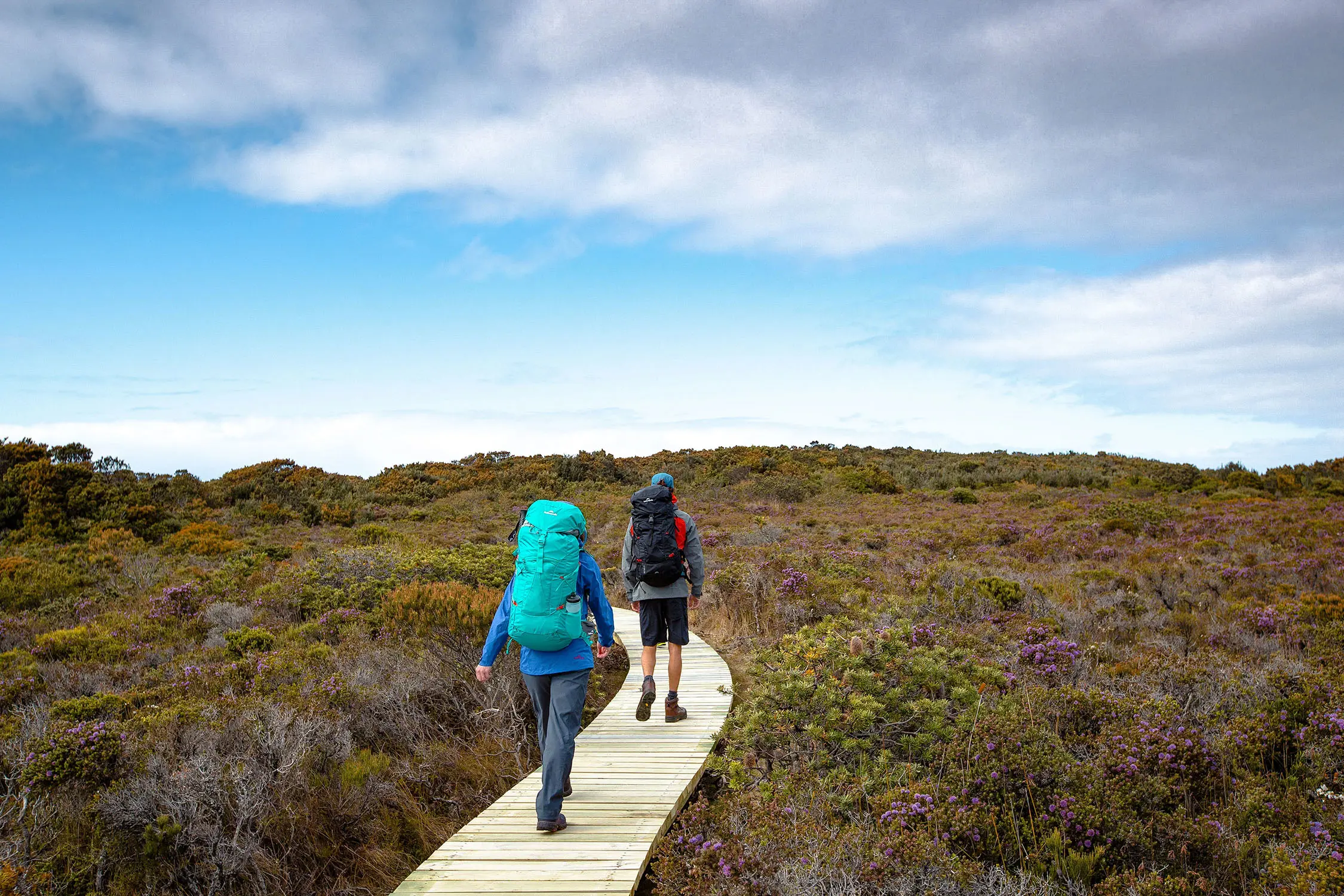
Wilderness isn't hard to find in Tasmania – about 40% of the state is protected as national parks and reserves, many threaded with tracks and trails. Explore a forest like no other, climb a clifftop path, wander an empty beach, tread an alpine track.
Wherever your feet take you, follow this guide to walking safely and responsibly in Tasmania.
Before you set out, check Tasmania Parks for track closures and alerts to avoid disappointment, and read up on important safety information.
Like a fisherman’s story, Tasmanian weather can change fast and frequently, especially in alpine areas. Snow, rain, wind, sun and even bushfires are possible at any time of year.
Plan to walk safely with these tips:
Accessible Russell Falls walk
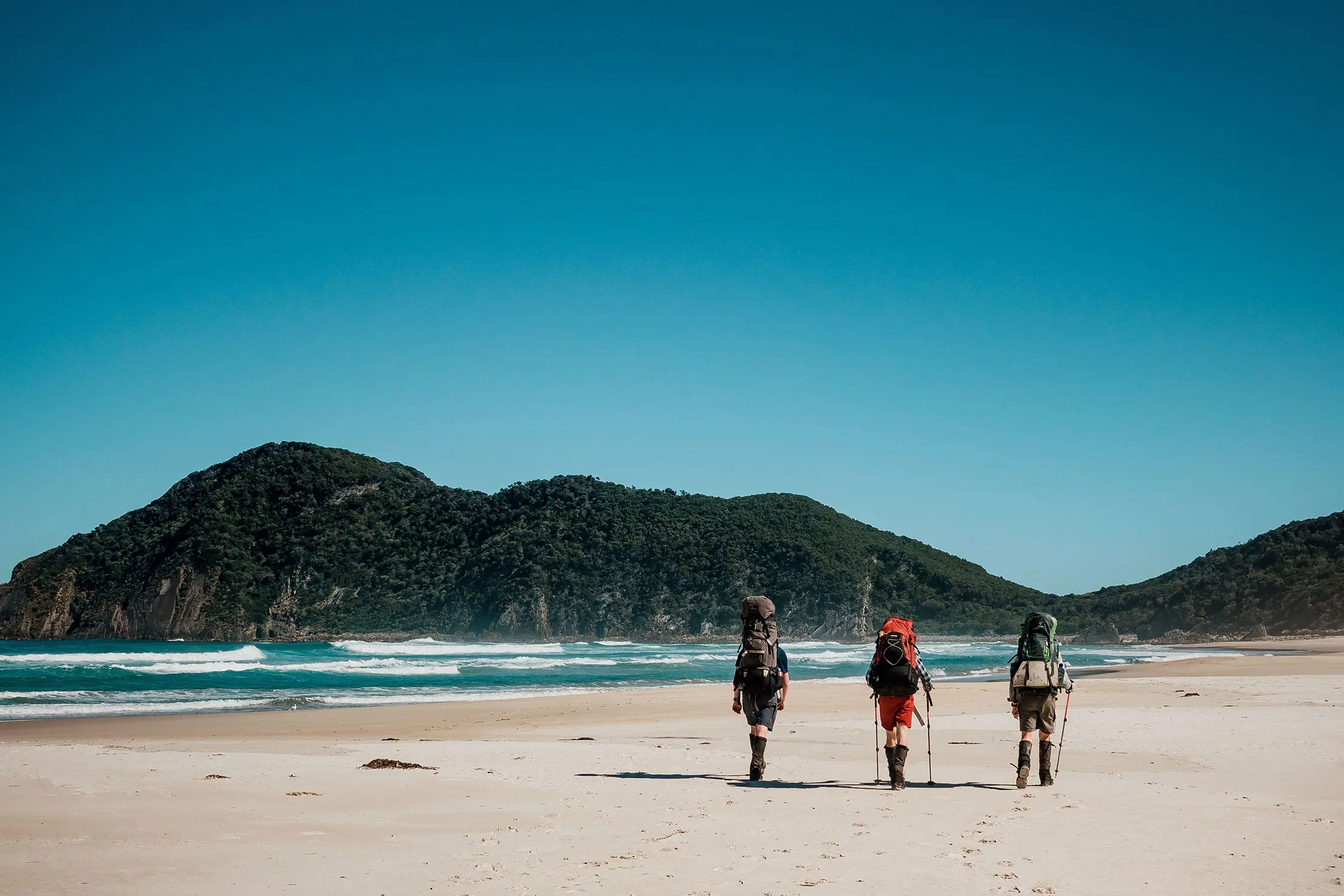
Walking tracks in Tasmania use the Australian Walking Track Grading System, which gives every walk a difficulty level from one to five. Check the walking track grading to choose the right walk for your ability. Ambition and adventure are great but, for your safety, don't overestimate your (or your fellow walkers) capacbilities or fitness level.
Grade 1 walks are generally short, flat and esy walks that are usually suitable for people in a wheelchair with assistance. Grade 5 (and some Grade 4) walks in Tasmania are only suitable for very experienced bushwalkers with navigation and emergency first aid skills. These tracks can be long, rough, very steep and difficult with no signage. Hikers need to be self-sufficient, skilled at scrambling and possible pack hauling, and equipped to handle extreme, unexpected weather changes.
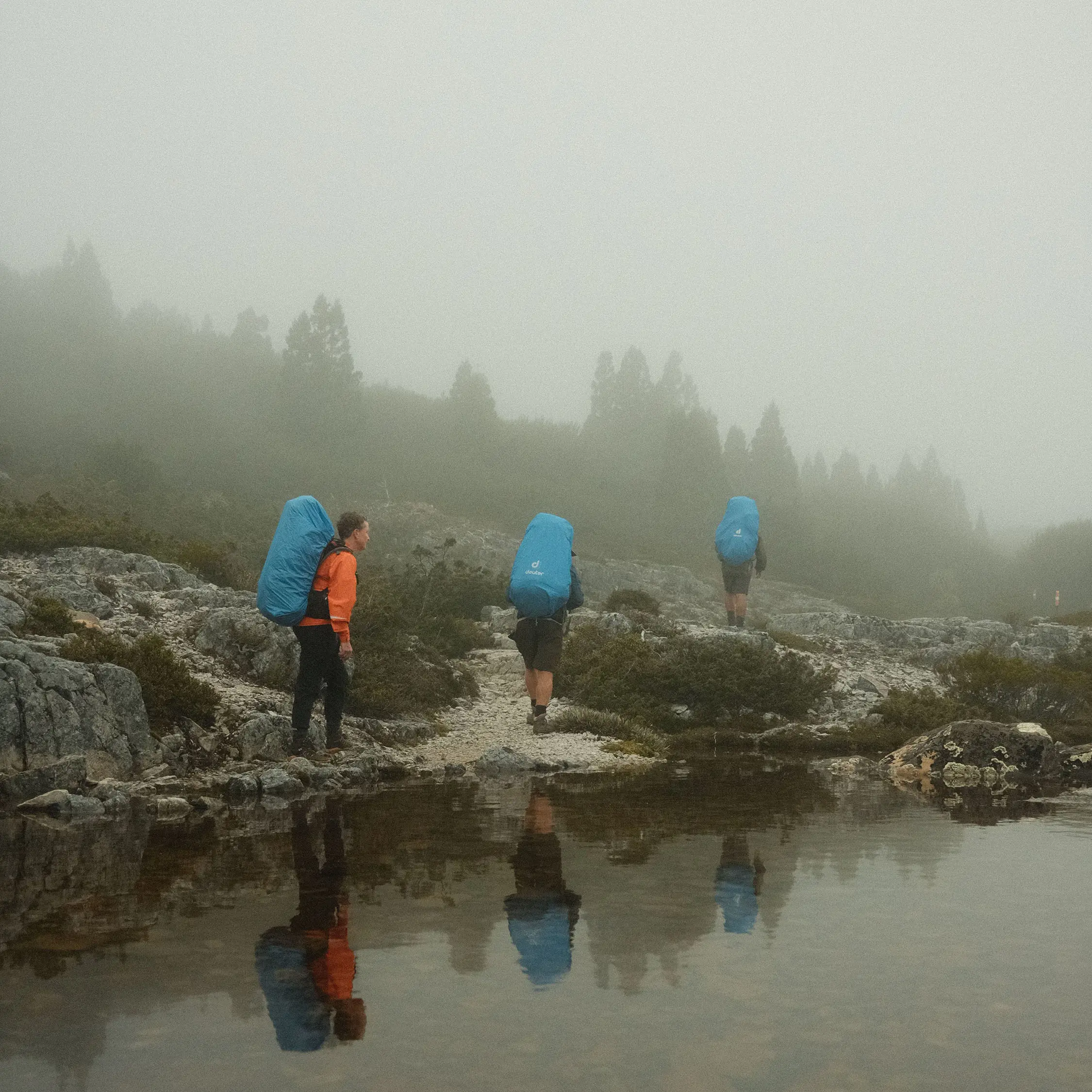
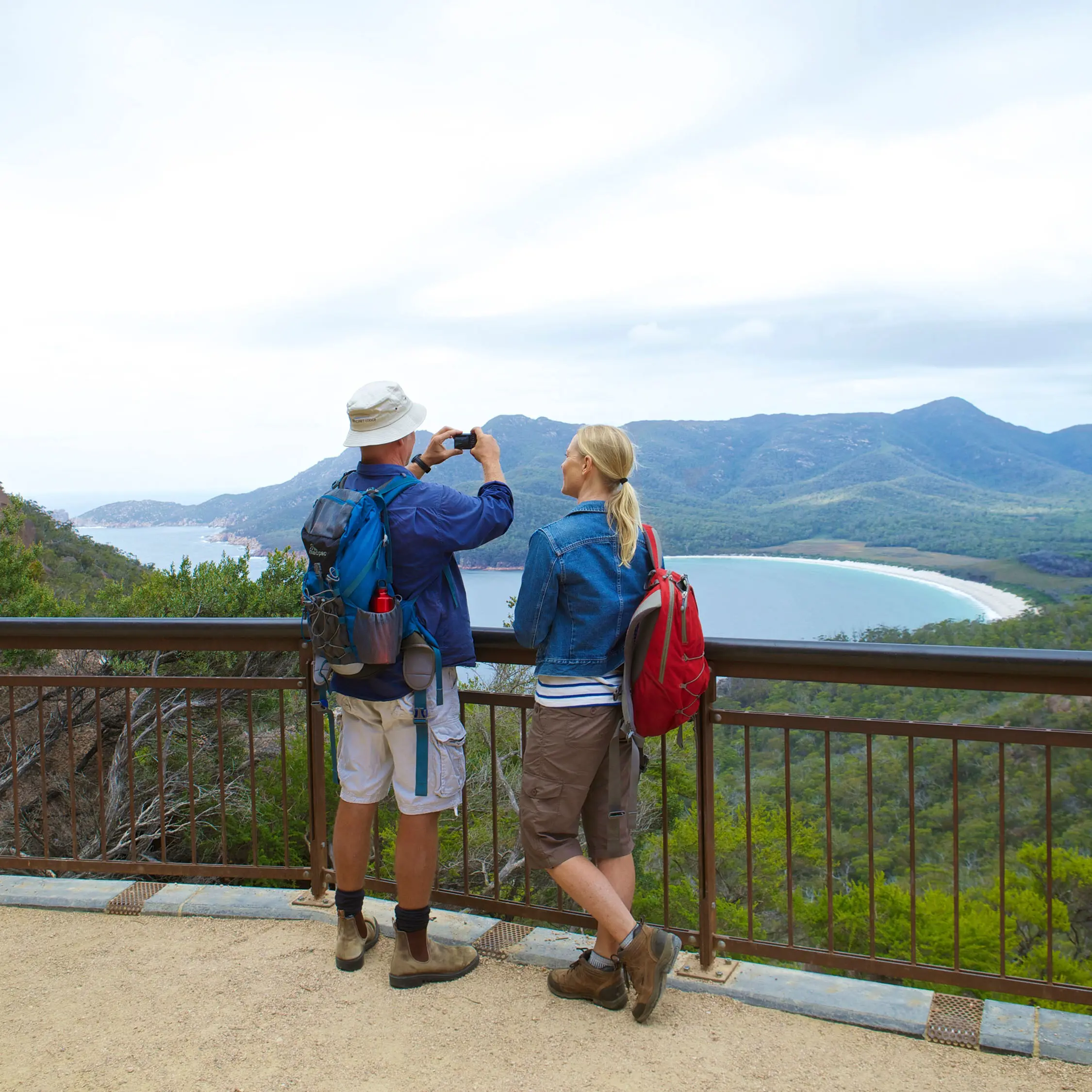
Here are a few all-weather essentials to pack for your hike:
See Tasmania Parks for tips on what to take for day walks, alpine walks and multiday walks.
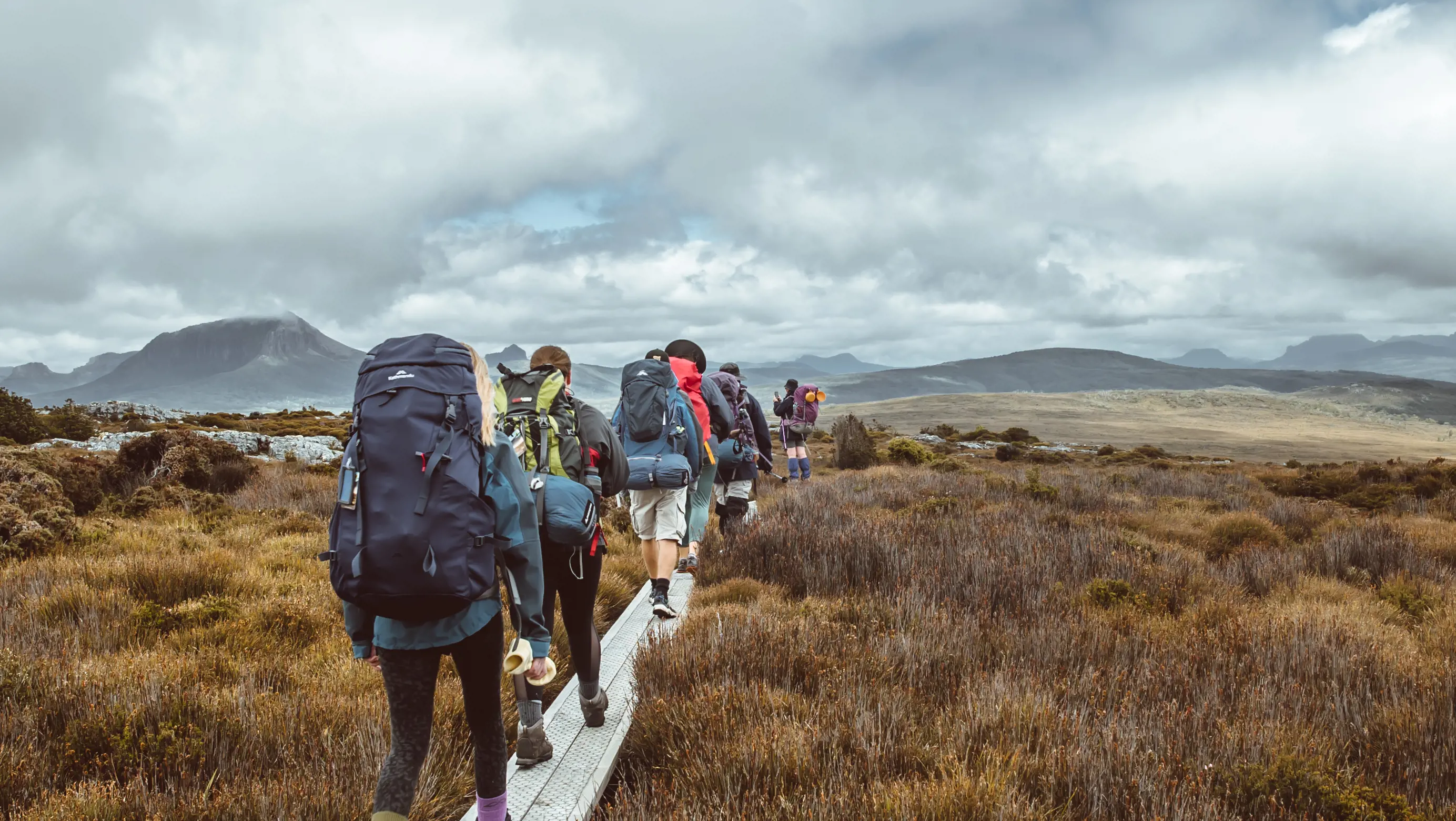
Tasmania spoils walkers with some of Australia’s best (and best-known) multiday hiking experiences, from the famed Overland Track and challenging South Coast Track to coastal Bay of Fires Walk and clifftop Three Capes Track. Some overnight walks require hikers to register in advance or book ahead. It’s best to check multiday walks in Tasmania’s parks to see if registration or bookings are needed for your walk.
If you’re planning to camp overnight in Tasmania’s remote areas, make sure to allow extra time to reach camp during daylight if you’re staying overnight. Check if and where you can have a campfire and weather forecasts before you go and be prepared for limited access to services. As well as essential gear like clothes for all conditions, carry a PLB and a back-up light source like a head torch (don’t rely on your phone).
Lighten the load by joining an accredited guided walking experience.
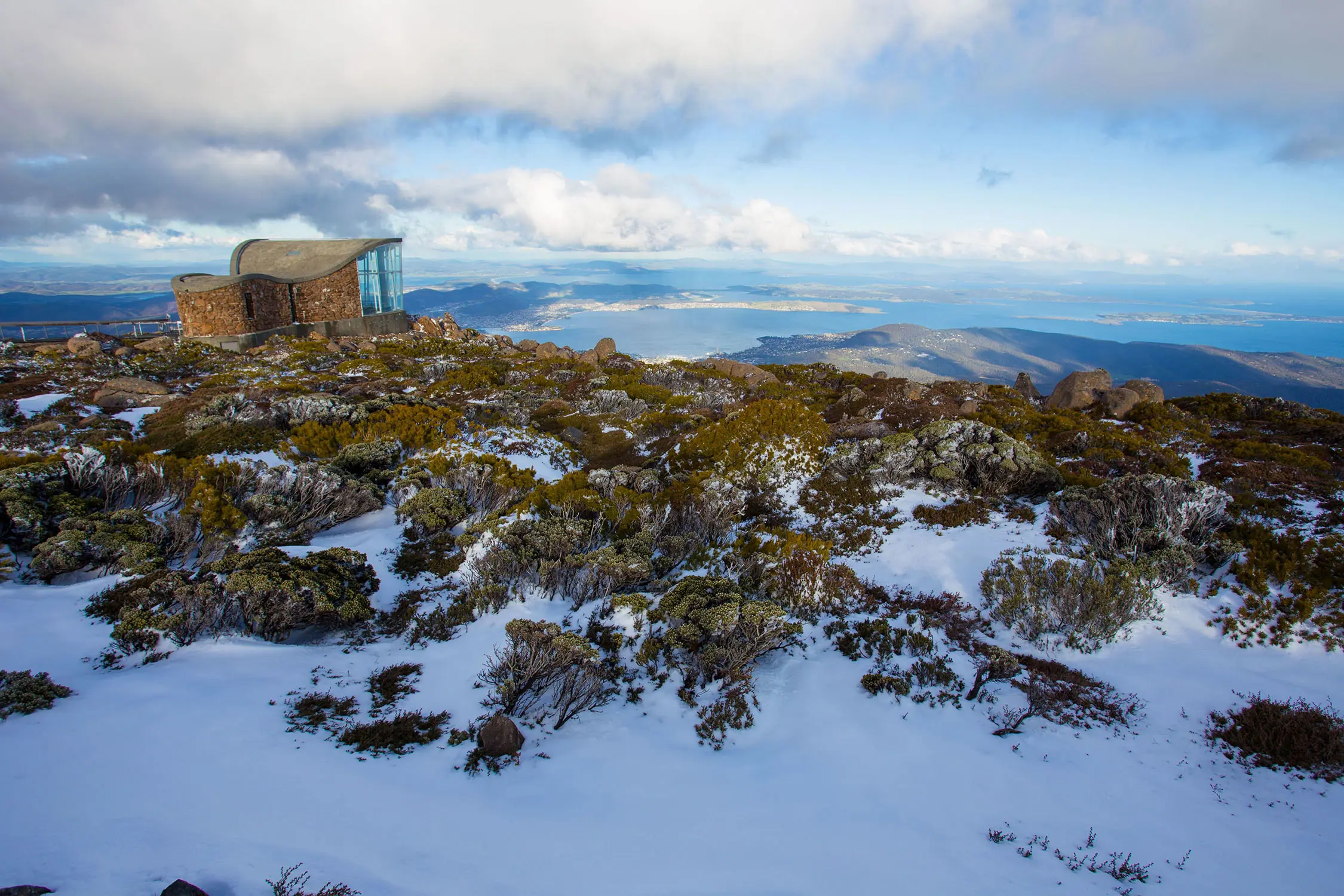
Alpine summit of Kunanyi / Mount Wellington
Tasmania’s World Heritage wilderness and popular alpine areas like Cradle Mountain and Mount Field National Park are genuinely wild places. Beautiful? Absolutely. Forgiving? Not so much. If you’re inexperienced or unprepared, walks in these areas can be dangerous.
Don’t be caught out – be prepared for fast-changing and extreme conditions in every season. Warm and waterproof clothing are essential. If conditions deteriorate, turn back or seek shelter.
Tell someone your planned route and expected return time and record your trip intentions in logbooks provided. It’s a good idea to bring a Personal Locator Beacon (PLB) in case of emergency.
Remote wilderness walks are generally only suitable for very experienced walkers with specialised hiking, navigation and emergency first aid skills. These areas should not be explored alone. The safest way to explore is with the island’s guided walking experts.
Check Tasmania Parks for alerts, closures and safety info before you visit.
You can contribute to Tasmania’s communities, wildlife and wilderness when you visit. The future of this pristine island is up to us.
Discover sustainable experiences
Planning activities in Tasmania’s outdoors? You can help protect our sensitive natural environments and cultural heritage by following the Tasmania Parks and Wildlife Service “leave no trace” guidelines.
Learn more about caring for Tasmania’s wildlife and plants.
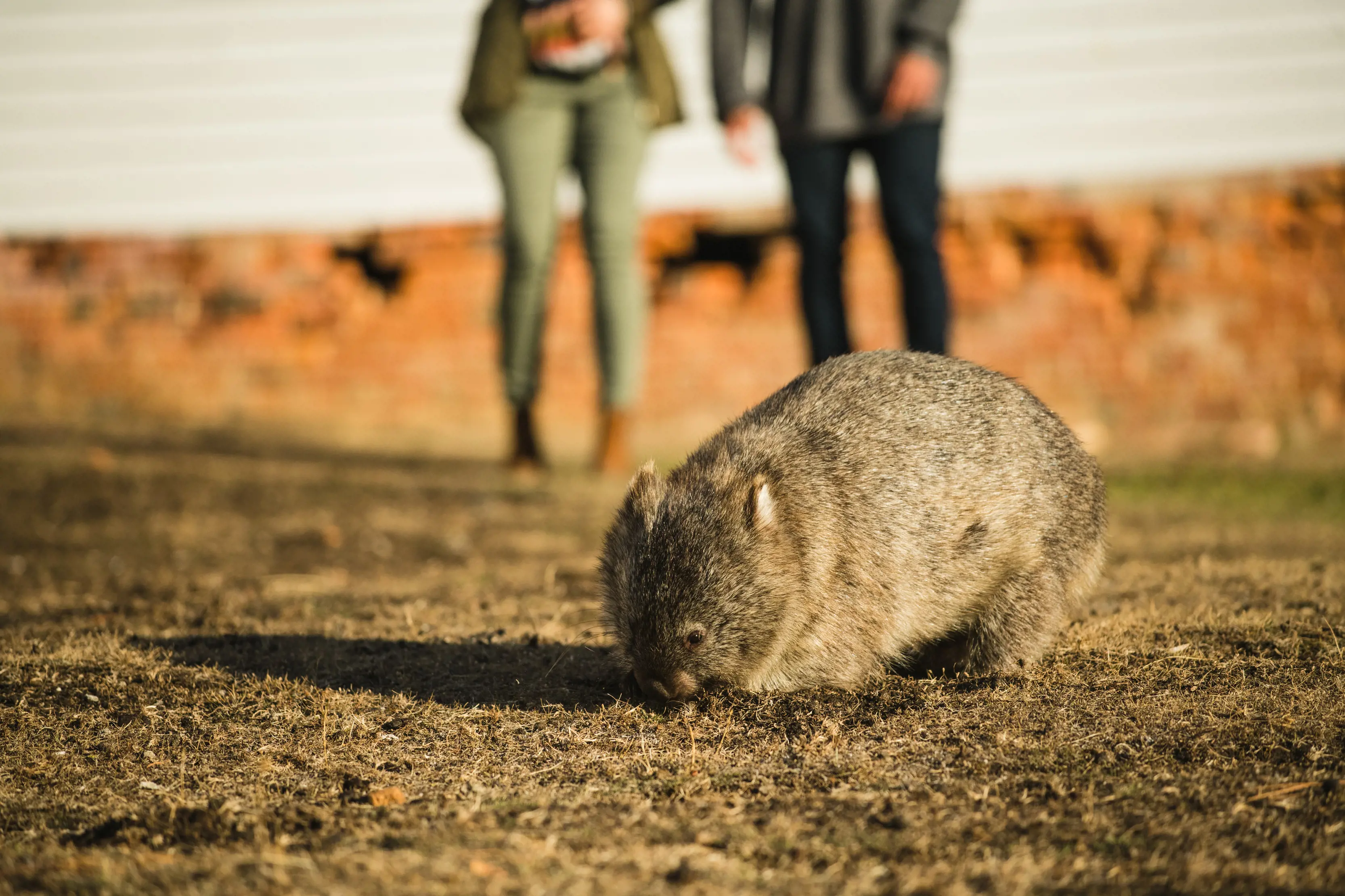
Stay at least 2m from wildlife
Tasmania's wild places are a refuge for ancient plants and unique animals, many of them found nowhere else. Think charismatic creatures like Tasmanian devils, wombats and pademelons.
Please help Tasmania's native wildlife stay wild by keeping a respectful distance (at least 2m, around 6.5ft), avoid making loud noises and never feed or touch animals.
Mobile coverage in Tasmania’s national parks and wilderness is unreliable. Expect limited or no signal on hikes in alpine and remote areas like Cradle Mountain, Mount Field and Southwest national parks, especially in valleys or dense bushland.
Make sure your mobile phone is fully charged – it’s worth bringing a portable charger, especially in winter, as batteries don’t last as long in the cold. Don’t rely on your phone for safety or depend on navigation apps for directions and distances – they are not always up to date. Carry a Personal Locator Beacon (PLB) in case of emergency, and pick up a physical map from a visitor centre, online from TasMap or download offline maps before you go.
Much as we love dogs and other pets, they are not allowed in Tasmania’s national parks and reserves, unless they’re a trained or accredited assistance dog (you’ll need to show a permit for your dog guide). It’s not personal – it’s about protecting native wildlife. Learn more about accessible travel and obtaining your permit.
National parks provide a refuge for the island’s native animals and plants, including many rare and endangered species only found in Tasmania. Even well-behaved dogs can introduce invasive weeds and diseases, while dog scents and barking can scare away native animals and even cause parents to abandon their offspring.
You can take your dog to some conservation areas, nature recreation areas, local parks and beaches in Tasmania. Check with Parks Tasmania or the local council for dog-friendly hours and any restrictions. Please keep your furry friend on a leash unless signage permits off-leash access. Find more dog-friendly spots in Tasmania.
Yes. Bushfires in Tasmania can happen at any time of year. Check weather forecasts and read Tasmania Parks’ bushfire safety tips before you head out on a bushwalk. TasALERT lists current Tasmania bushfire incidents and warnings.
If the Tasmanian Fire Service (TFS) fire danger ratings are extreme or catastrophic in the area you’re planning to walk, consider postponing or walking in a different area.
Yes, there are three land snake species in Tasmania: tiger snake, lowland copperhead snake and white-lipped snake. All of these Tasmanian snakes are venomous but encounters with people are rare. Snakes are generally shy and would rather avoid you (the feeling’s probably mutual). They’re not likely to bite unless they feel threatened or trapped.
Snakes are more active in summer (December–March). When you’re bushwalking wear good walking boots with gaiters, stay on paths, make noise so snakes hear you coming (without being so loud that you disturb the tranquillity). Watch your step near logs, rocks, waterways and long grass. Keep your distance if you see a snake and never try to catch, corner or handle it. It’s a good idea to carry a snake bite bandage in your first aid kit when you’re bushwalking (and know how to use it).
If bitten, stay calm and still to slow venom spreading. Apply a pressure immobilisation bandage and call Triple Zero (000). Find more information about what to do if you encounter snakes.
In some Tasmanian national parks you might be asked to check, clean, disinfect and dry your walking shoes, camping gear or bike tyres at wash-down stations. By following Tasmania Parks’ hygiene tips you can help stop the spread of invasive weeds, pests and soil-borne diseases that could devastate the health of Tasmania’s pristine environments and unique wildlife.