Road trip to the Edge of the World
with Sean Fennessy
One of the most alluring things about Tasmania is that it’s filled with opportunities to get outside, breathe in the crisp air, and immerse yourself in natural landscapes that truly take your breath away.
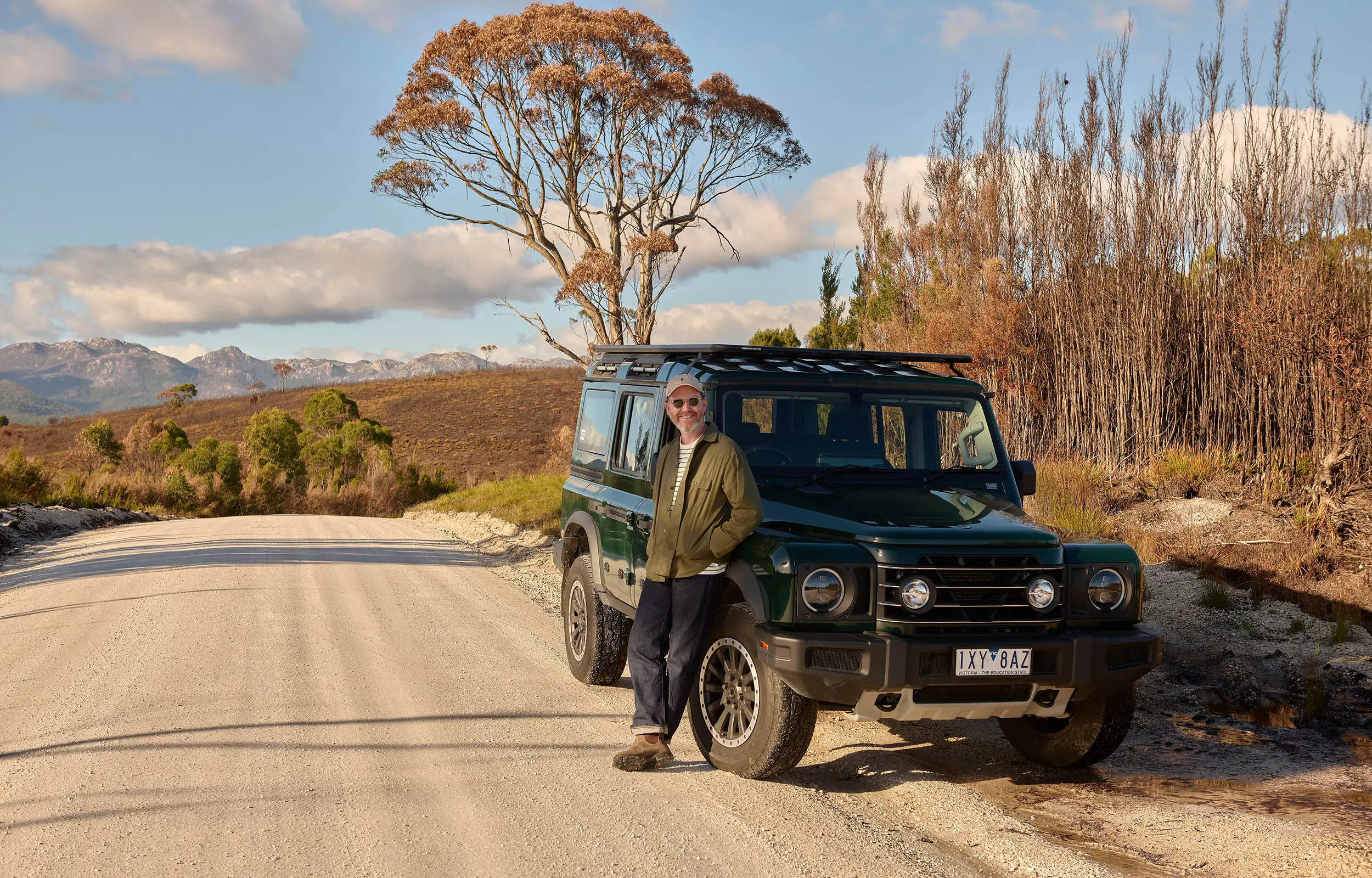
For the third instalment of the Design Files travel series in Tasmania, we turned to Tasmanian-born, Melbourne-based photographer Sean Fennessy to create the perfect road trip exploring the state’s north west.
From the mirrored glacial lakes and wilderness of Cradle Mountain to an isolated lookout known as the ‘Edge of the World’, find out the remote destinations that are well worth travelling off the beaten track for.
In partnership with the Design Files. Photography by Eve Wilson.
Sean Fennessy’s guide to Tasmania’s north west
“North-west Tassie is where I grew up, so there will always be a personal connection,” photographer Sean Fennessy says.
“But each time I return, I’m reminded that its appeal runs deeper than nostalgia, especially once you get off the beaten track. There are ancient rainforests, epic beaches, and that rare indulgence of true isolation.”
Before moving to Hobart for university, and then to Melbourne to pursue his photography career in 2008, Sean spent his formative years in Devonport, located about a 3.5hr drive from Tasmania’s capital.
The port city is also where the Spirit of Tasmania ferry docks, making it the perfect launch pad for a road trip across Tasmania’s north west – because Sean says a long drive is the best way to experience the region’s rugged beauty up close.
Find Sean’s tried and tested itinerary below, with all the hidden gems you should explore along the way.
Cradle Mountain
You can either fly into Devonport, drive from Hobart, or, if you’re coming from Melbourne, you can catch the ferry from Geelong. This is Sean’s preferred mode of transport, as it means he can bring his own car along for the ride. From there, it’s about a 90min drive to our first destination: Cradle Mountain.
Located in the depths of the UNESCO Tasmanian Wilderness World Heritage Area, Cradle Mountain-Lake St Clair National Park is a true bucket-list location filled with hiking trails, endemic wildlife and magnificent vistas.
Do a kayak tour with Cradle Mountain Canyons
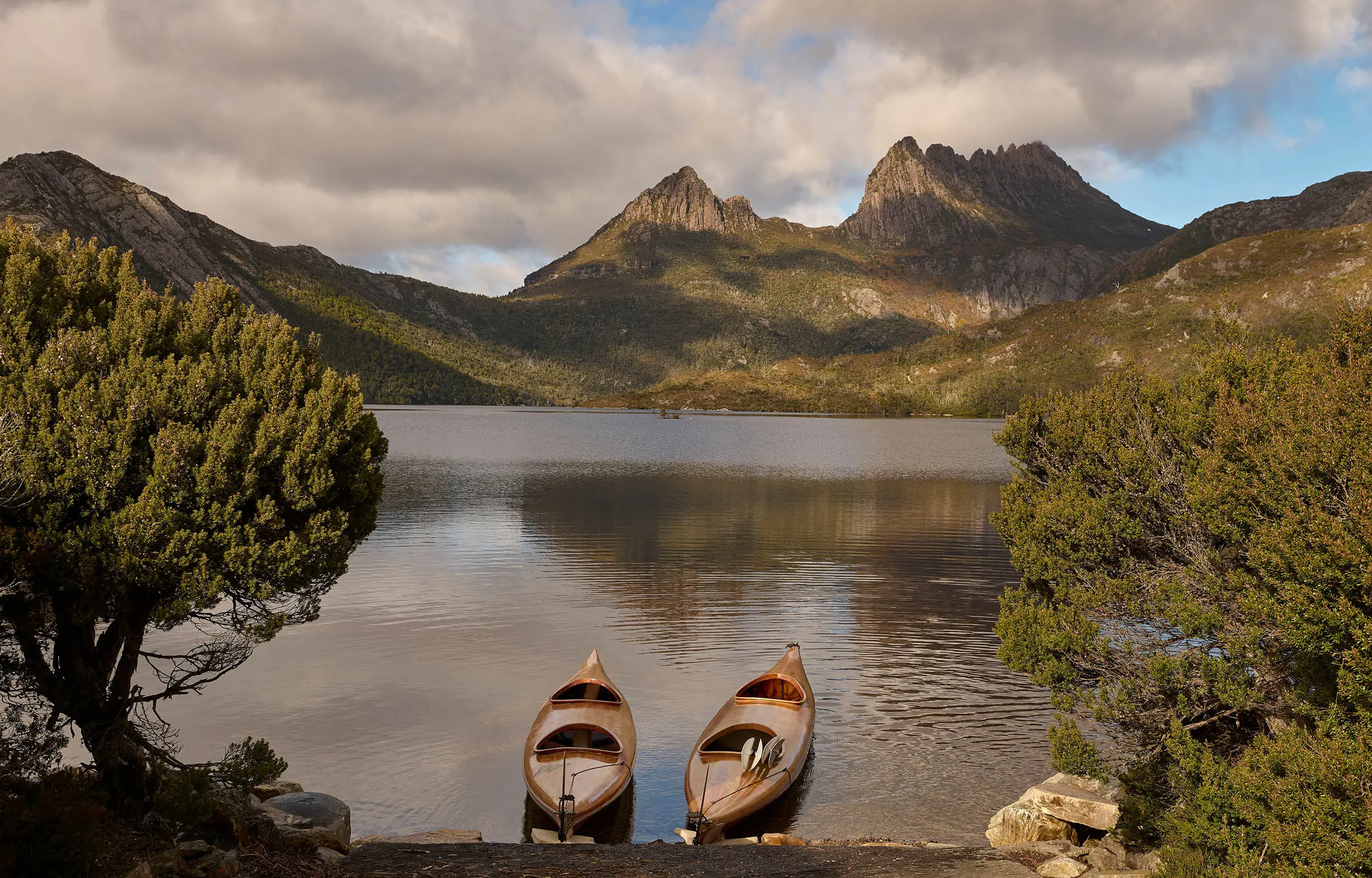
Due to the area’s strict environmental protections, only one company is permitted to operate kayak tours on the glacial waters of Dove Lake.
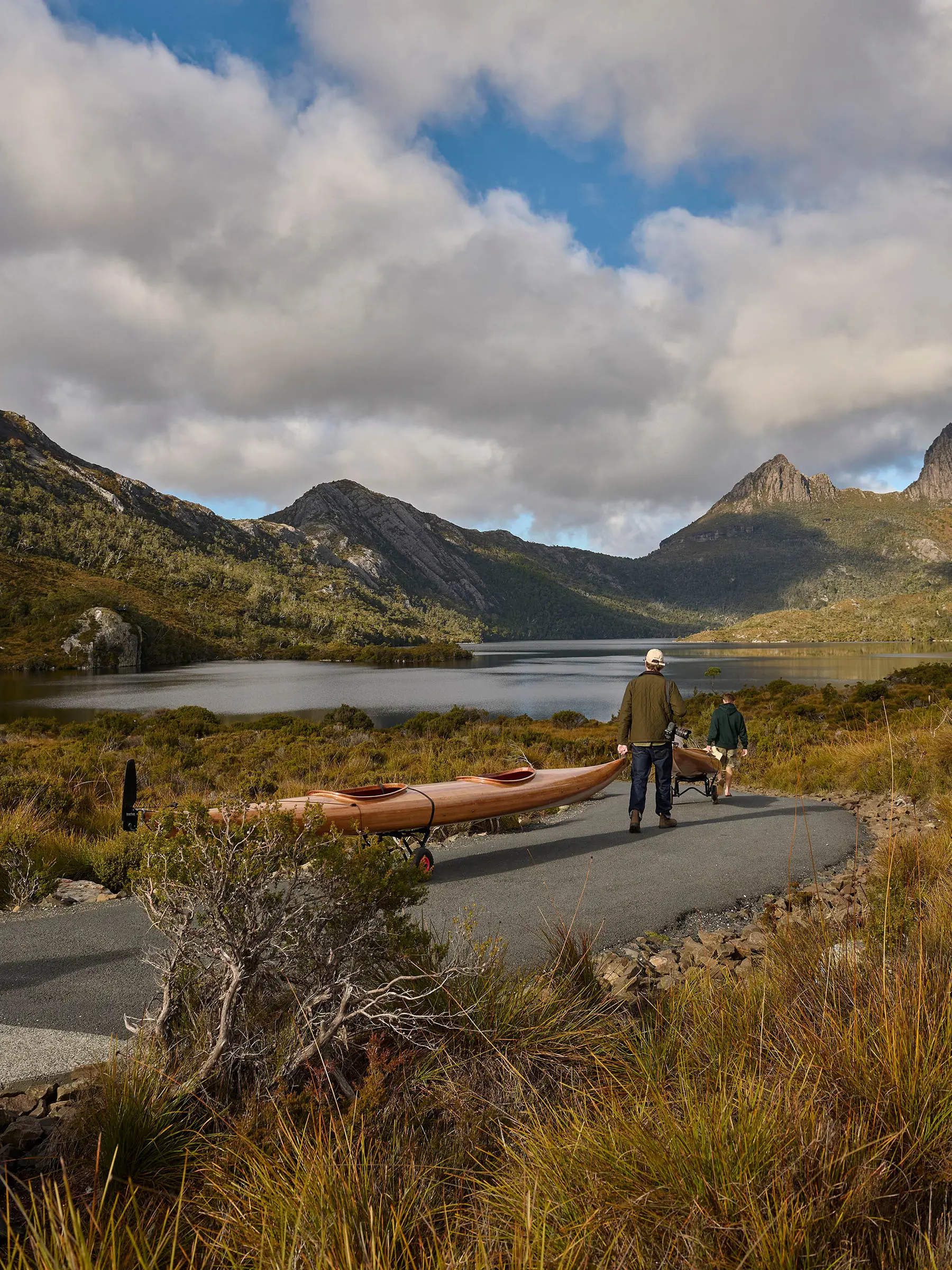
Impressively, Cradle Mountain Canyons uses timber kayaks handcrafted by adventure tour operator Anthony O’Hern, despite having no prior boat-building experience.
The kayaks are all made from King Billy pine, a rare ancient Tasmanian timber that grows on the shores of Dove Lake. However, since these trees are a protected species (now illegal to cut down) Anthony sourced the timber from an old stockpile of salvaged felled trees. This deep connection to the landscape makes exploring the lake with Anthony as your guide an unmissable experience.
“I’d heard about the King Billy pine kayaks that Anthony built by hand, so I was excited to see them in action,” Sean says. “It’s the only way to get onto the water on Dove Lake – which gives you a completely different perspective on Cradle Mountain!”
Indulge in some R&R at Cradle Mountain Sauna
Rain, hail, shine (or even snow), you can warm up while also enjoying views of the wilderness in a session at Cradle Mountain Sauna. The five-person sauna directly overlooks verdant greenery, making it an ideal winter activity and a chance to unwind amid the drive.
Book a sauna at Cradle Mountain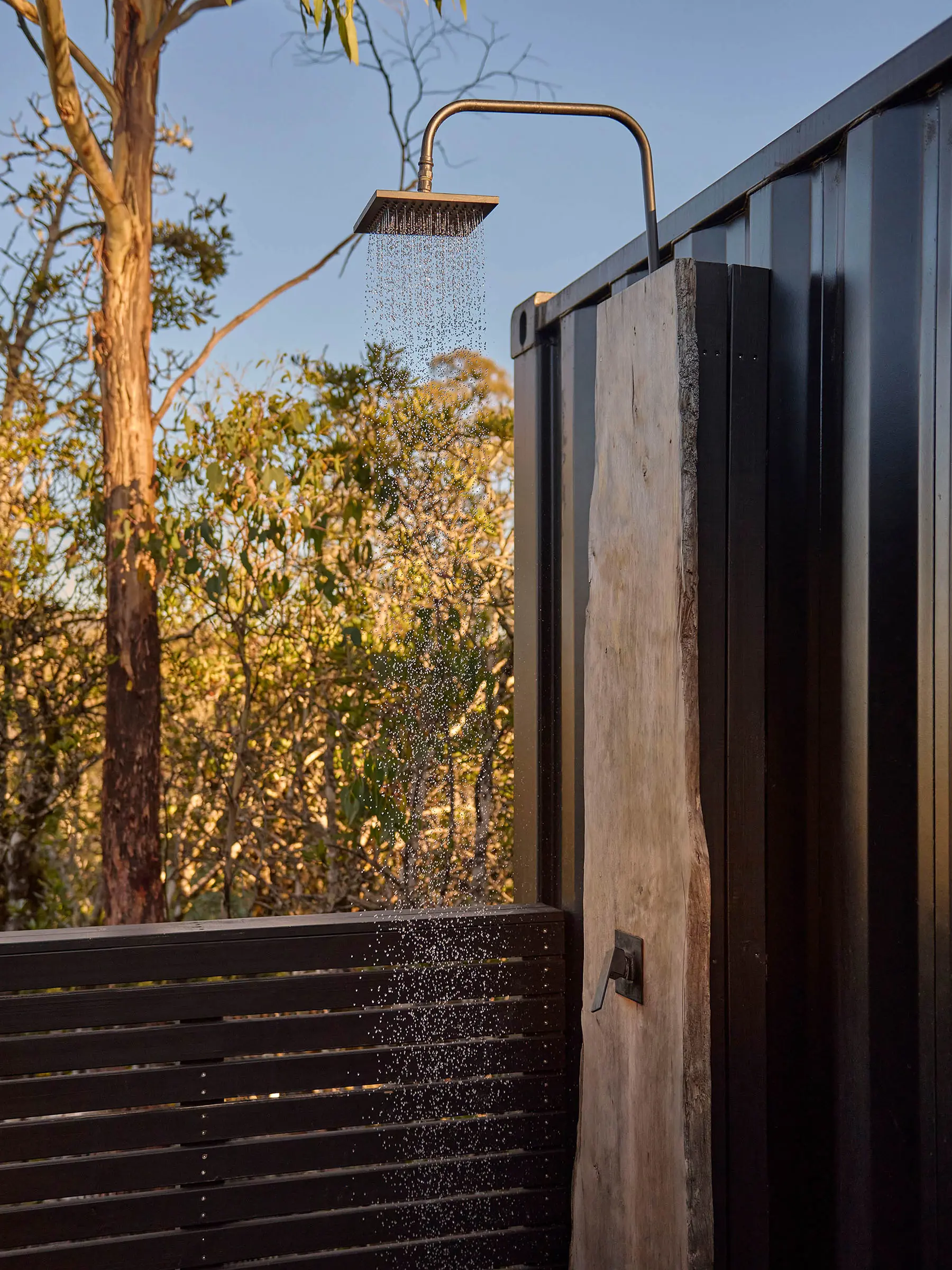
Stay at Cradle Mountain Lodge
When the setting is this spectacular, you want to enjoy it from sunrise to sunset, and the best way to do that is by booking a cabin at the picturesque Cradle Mountain Lodge. The accommodation features a mix of cabins and suites, giving you a secluded stay immersed in bushland near Pencil Pine Creek, and there’s even a restaurant and a spa on site too.
Book an escape at Cradle Mountain Lodge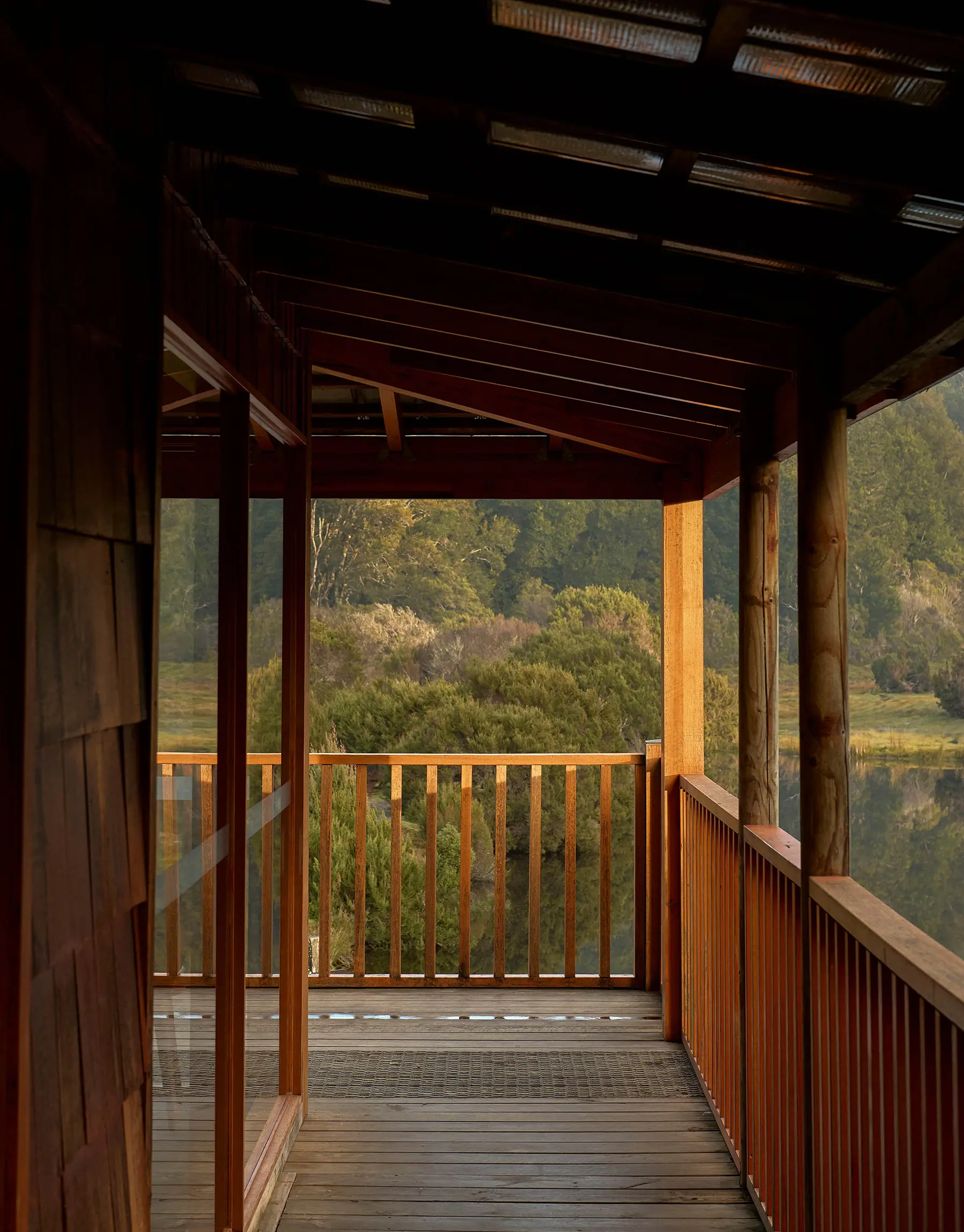
Corinna
Next up, Sean suggests continuing your road trip to Tasmania’s rugged west coast with about a 2hr drive south to Corinna.
Nestled on the edge of the remote Takayna / Tarkine rainforest, this eco-village includes accommodation, river cruising, a restaurant, and without Wi-Fi or phone service, it’s the ultimate place to unplug.
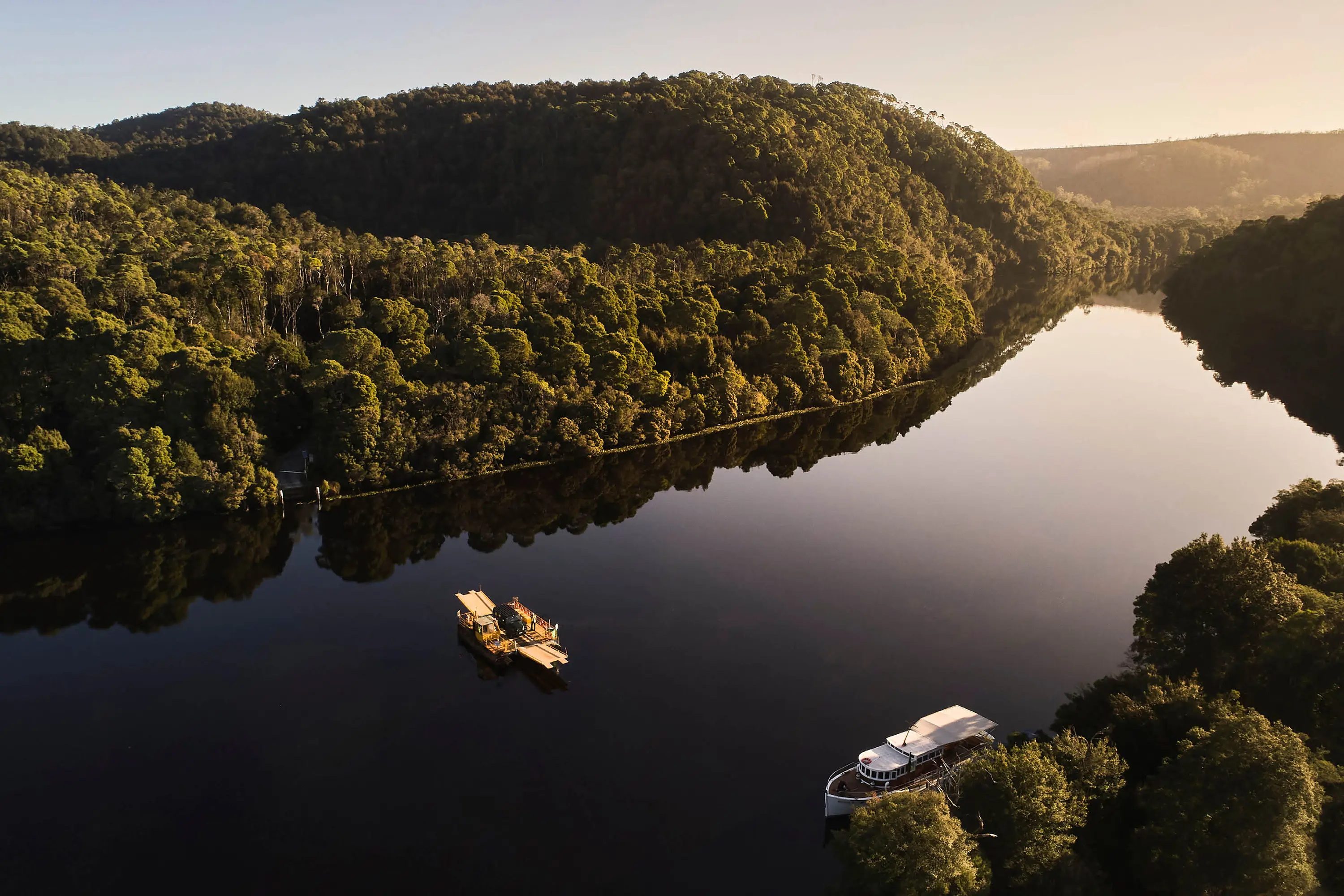
The cool-climate rainforest around Corinna and the Pieman River feels so prehistoric. It's completely magical.
Getting to Corinna
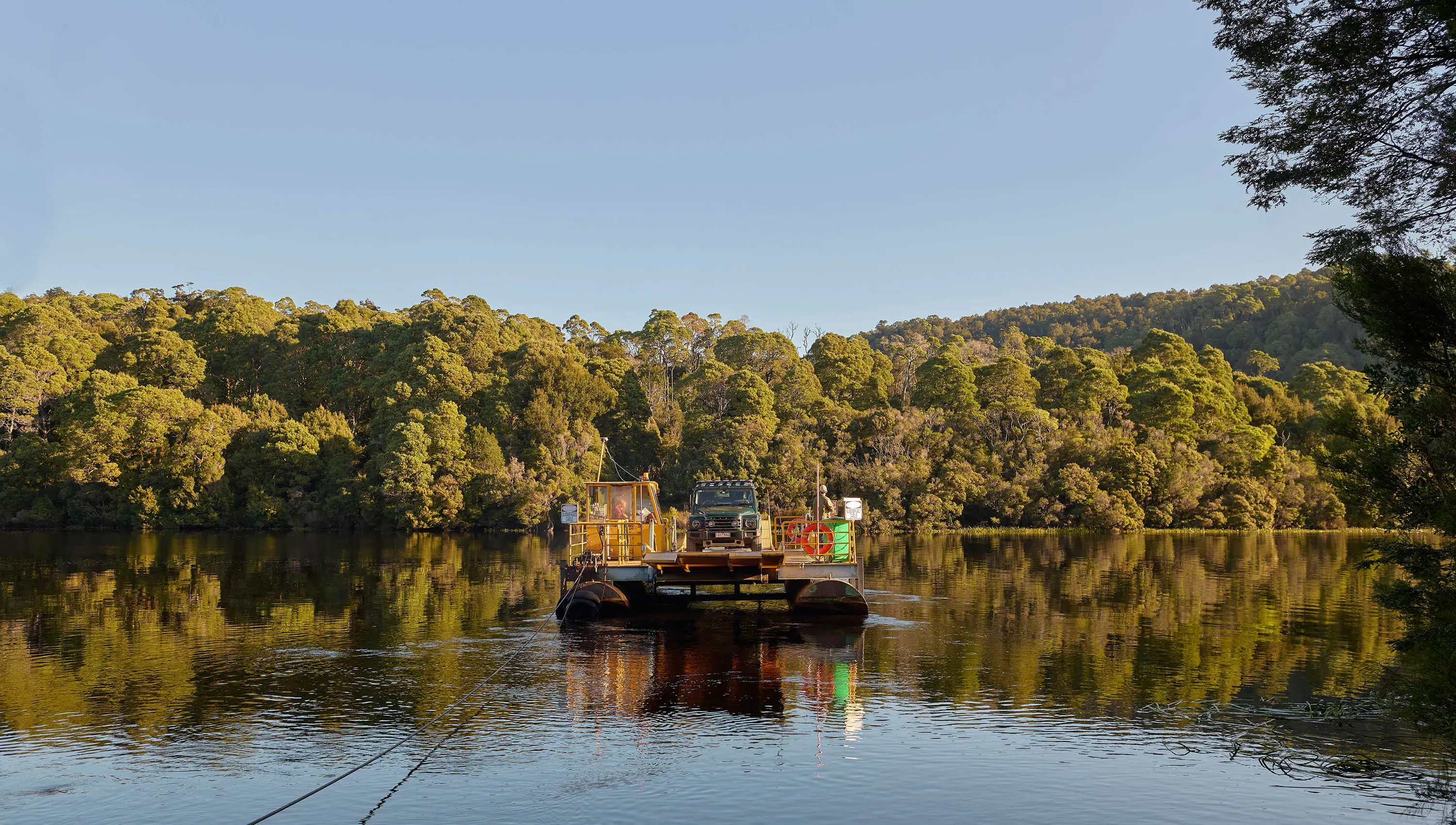
There are a few ways to get there from Cradle Mountain, but the most scenic involves the river crossing on the Fatman Barge, which is a bit of fun. Just make sure you arrive in daylight hours.
Arthur River
Drive along the ‘Road to Nowhere’
There’s a reason the Western Explorer Highway is known as the ‘Road to Nowhere’. Stretching 120km of mostly unsealed, rugged road, it connects Corinna to the coastal town of Marrawah in the north west. And for Sean, it’s exactly what makes the region so unique.
“We drove 100km without seeing another car – but that’s exactly the appeal. The landscape shifts constantly along the way: from rainforest to buttongrass plains, rivers and mountain ranges, before opening out onto the windswept coastline,” he says.
“There’s plenty of serious 4WD trails along the way too, if you’re feeling adventurous.”
Taste the award-winning Tarkine Fresh Oysters
Less than an hour from Arthur River, in a town called Smithton, Sean suggests stopping at Tarkine Fresh Oysters. These grow in cool tidal conditions that produce a sweeter, less briny taste, and are shucked fresh daily.
“Grab some to take away and find a spot along the coast to demolish them,” Sean says. They even have a special offering this winter for ‘hot shells and spicy sips’.
Visit Tarkine Fresh Oysters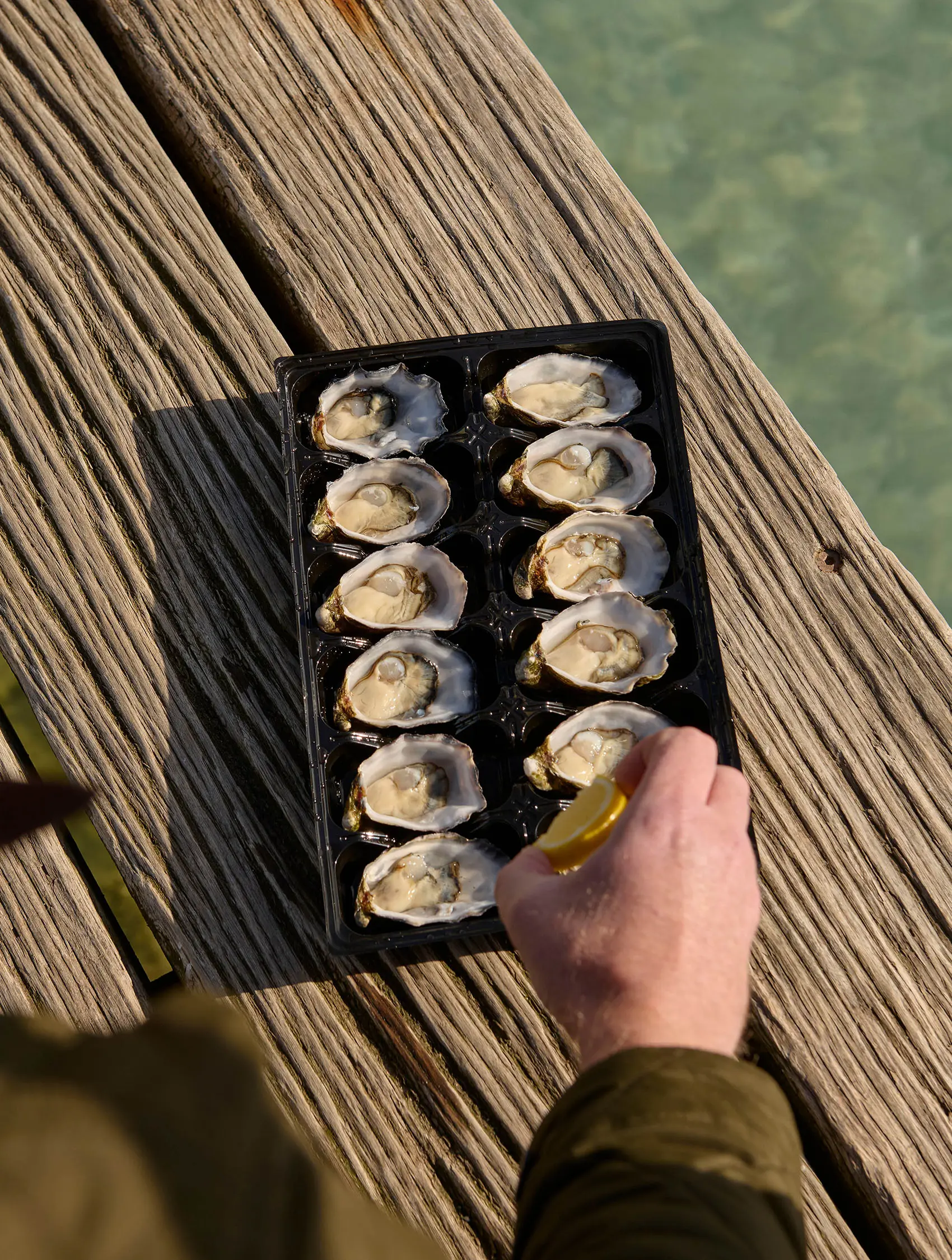
Stop at the ‘Edge of the World’
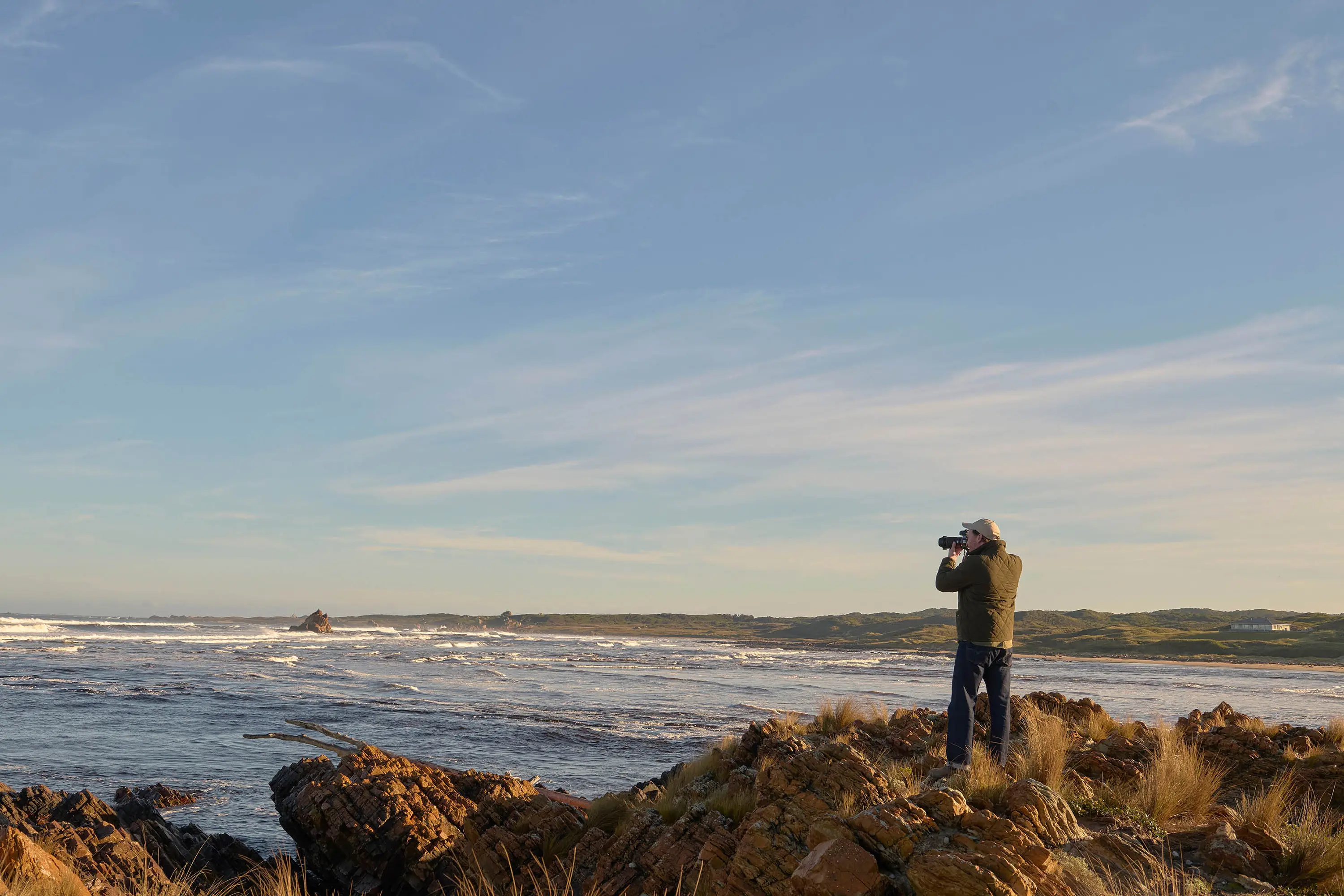
Another highlight is the epic lookout on Arthur River, aptly dubbed the ‘Edge of the World’. A small plaque marks the desolate spot where the incredibly vast expanse of the Indian Ocean meets the coastline.
“The ‘Roaring Forties’ blow across the Southern Ocean and into Arthur River, bringing the cleanest air on Earth with them – there’s nothing between here and Argentina,” Sean says.
Stay at the Ship Inn
The town itself is a little reminiscent of a Wes Anderson film, complete with colourful heritage houses. The Ship Inn is an especially charming place to stay the night. The century-old, yellow building has been reimagined into a historic retreat, complete with glorious gardens.
For dinner, Sean recommends heading over to the Stanley Hotel for some “great seafood”, including abalone.
Stay at the Ship Inn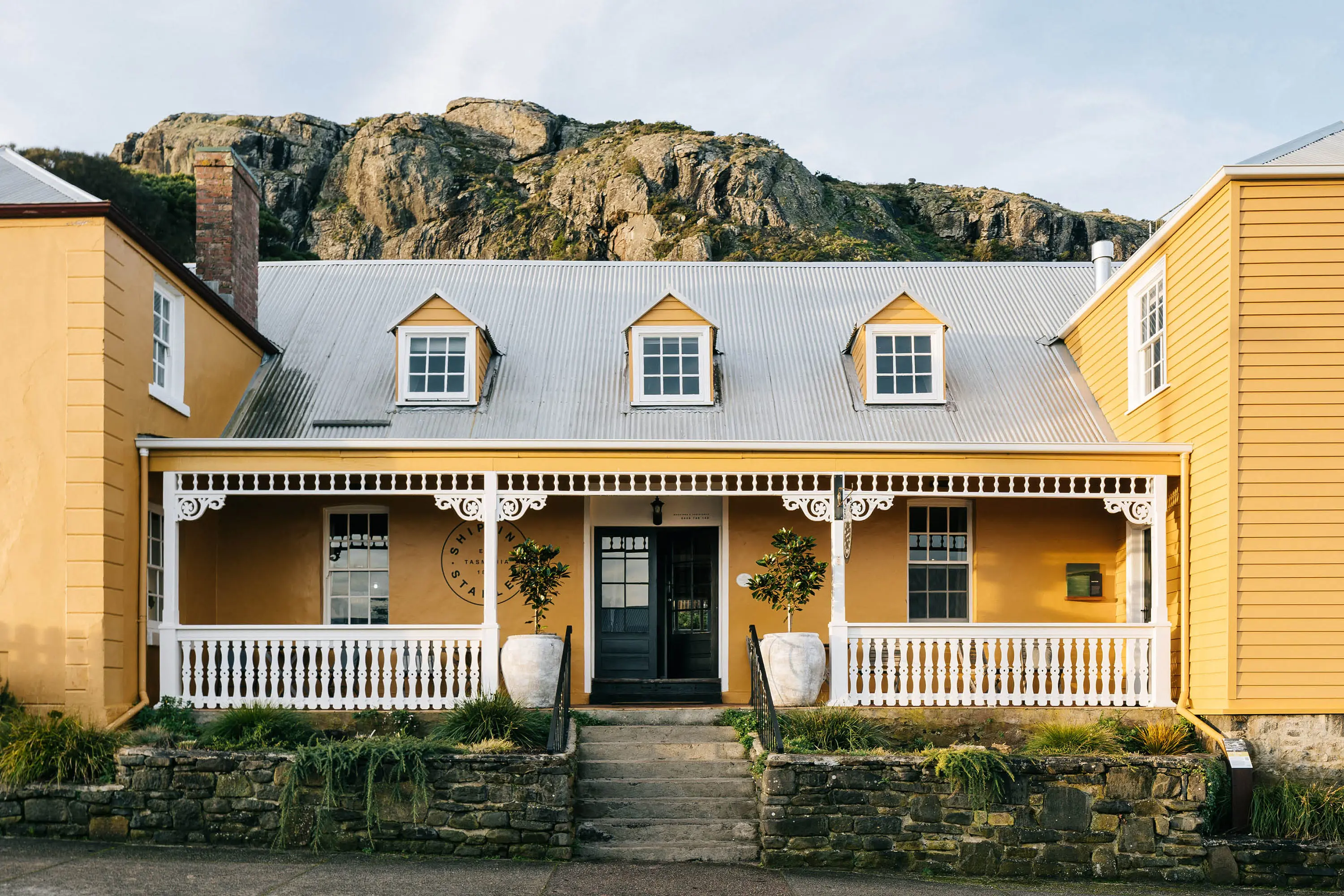
Table Cape
For your last stop, head another 55km (about 45min drive) along the coast to reach Table Cape. Here, you can stroll the cliff-top walk to the lighthouse and enjoy views out as far as the Nut back in Stanley. Spring is an especially great time to visit too, as you can watch for whales during their migration season and appreciate the area’s abundant, colourful tulips in full bloom.
Book a stay at the Winged House
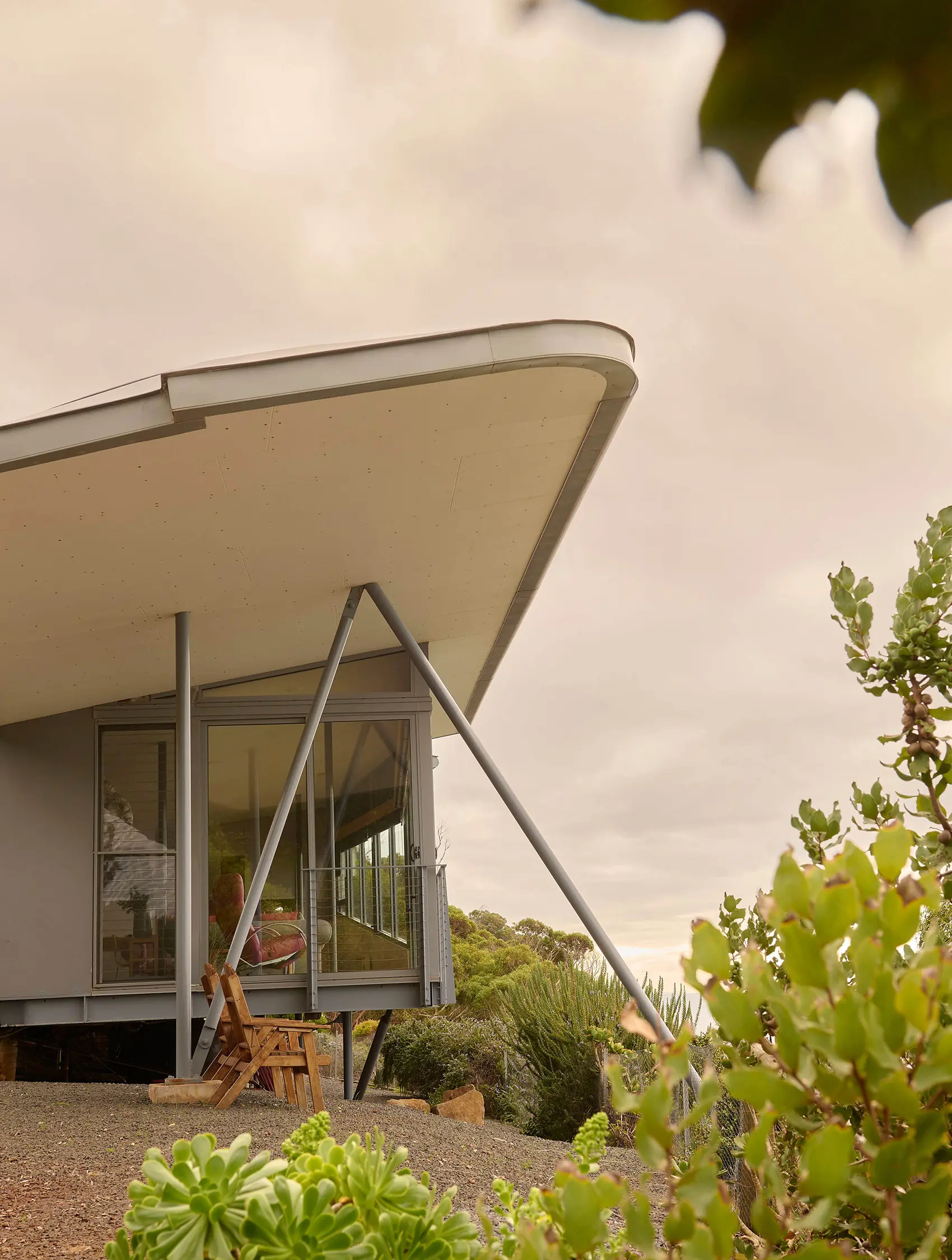
For architecture and design fans, you can’t pass up a stay at one of Tasmania’s most famous homes, the Winged House by architect Richard Goodwin. Even 18 years after it was first built, the two-bedroom home, cantilevered over a cliff, has stood the test of time.
Stay at the Winged House