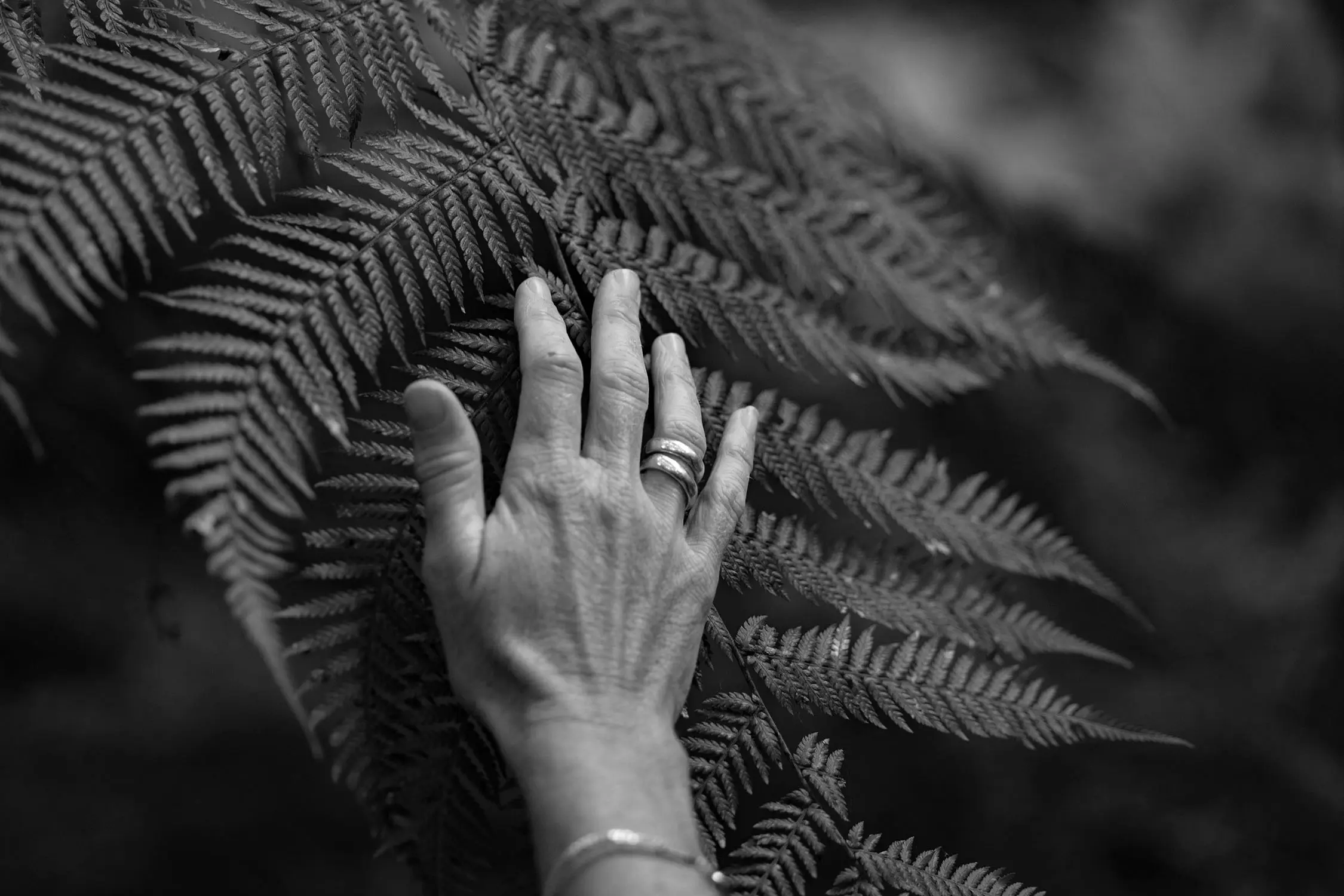
Engage your senses, Trowutta Arch walk
Sean Scott Photography

Access your favourites here
You have a trip stored, would you like to save it?
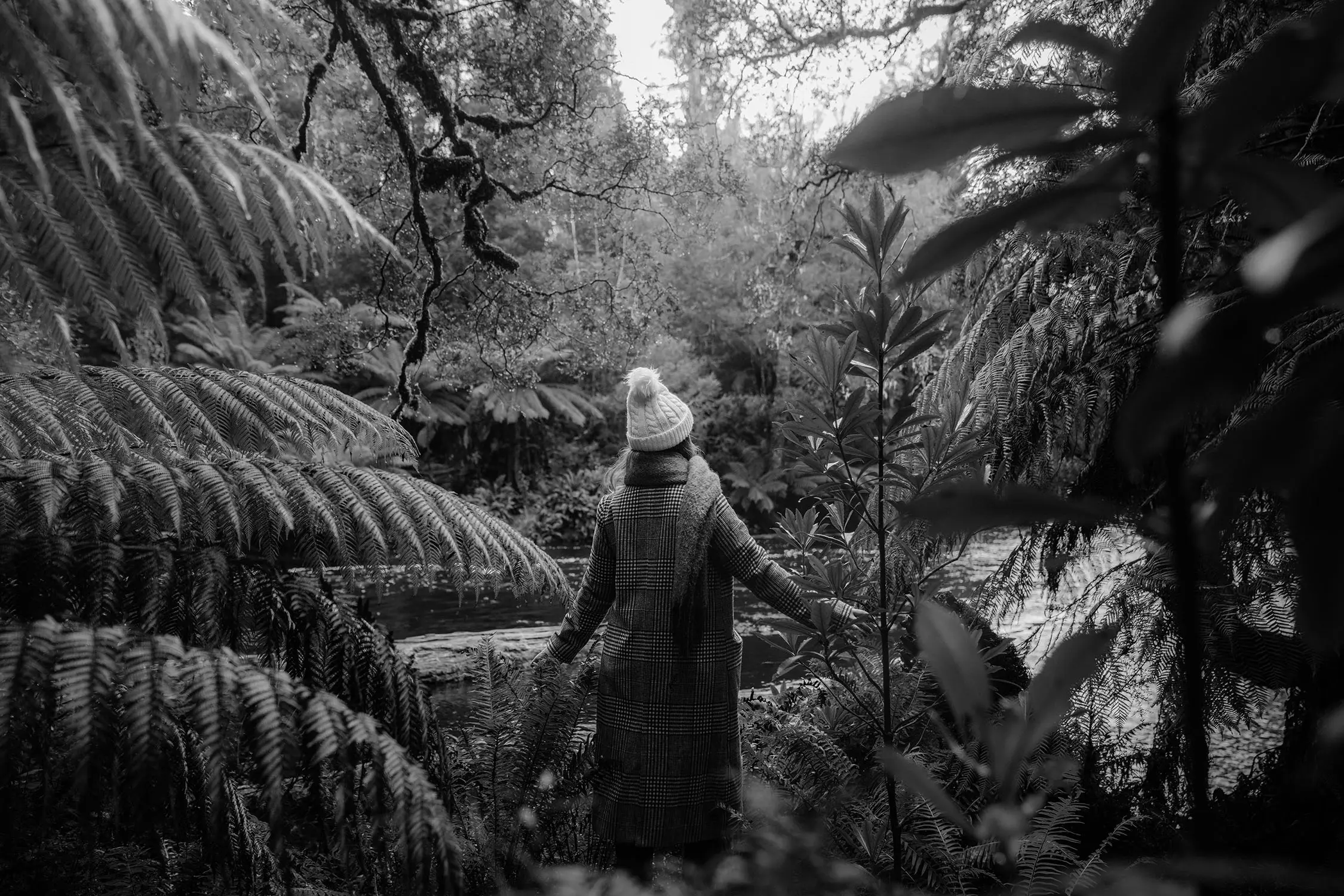
Forest bathing, or Shinrin-yoku, is the Japanese mindfulness practice of gentle movement and stillness while immersing in nature, using all your senses. And Tasmania, filled with fresh air and ancient cool-temperate forest where 1000-year-old trees grow, might just be the best place in Australia to try it.
Better yet, winter in Tasmania brings a different quality of light, the refreshing bite of cold on your cheeks and fewer people to distract from nature’s calm. Breathe deeply. Listen to the whistle of birdsong and rustle of animals in the undergrowth. Feel the prickle of frothy ferns and tickle of moss-covered trees. Let the forest work on you rather than working your way through it.
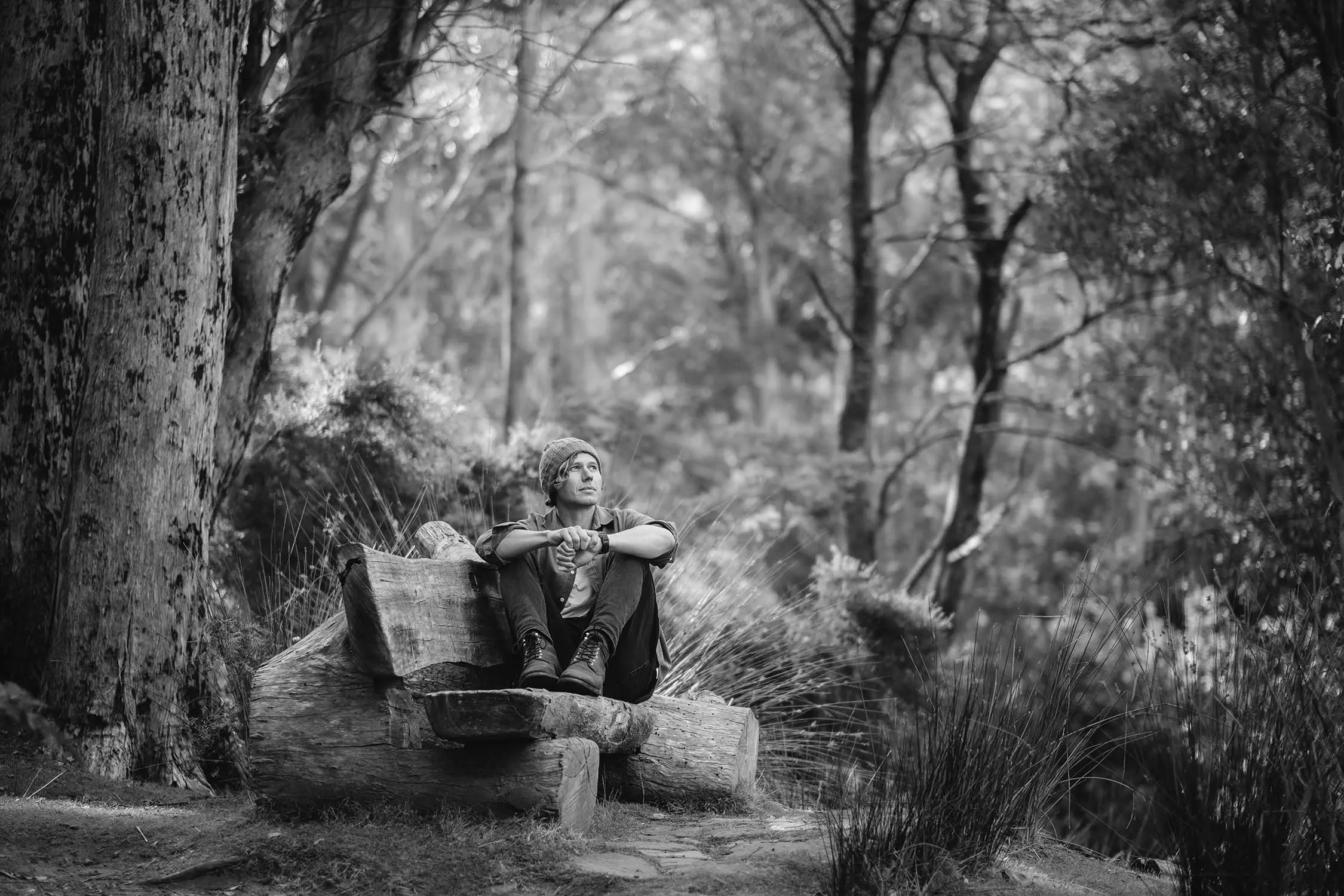
Shinrin-yoku translates to "forest bathing" or "taking in the forest atmosphere". Inspired by Shinto reverence for the natural world, it was developed in Japan in the 1980s as a response to rising stress-related health problems. Today, forest therapy is recognised globally for its restorative effects on mental and physical wellbeing, backed by decades of research.
This isn't bushwalking – you’re not counting steps or pushing to reach a lookout. The forest itself is the destination, so use your senses to intentionally notice its earthy scents and gentle sounds and layered shades of green.
Evidence shows regular forest bathing practice (2hrs weekly) can lower blood pressure, reduce cortisol (stress hormone) levels, boost immune function and improve mood.
Many cultures have long recognised the importance of the natural world to human health. In Japan, doctors prescribe it. In Tasmania, you've got some of the world's last cool-temperate rainforests to practice in.
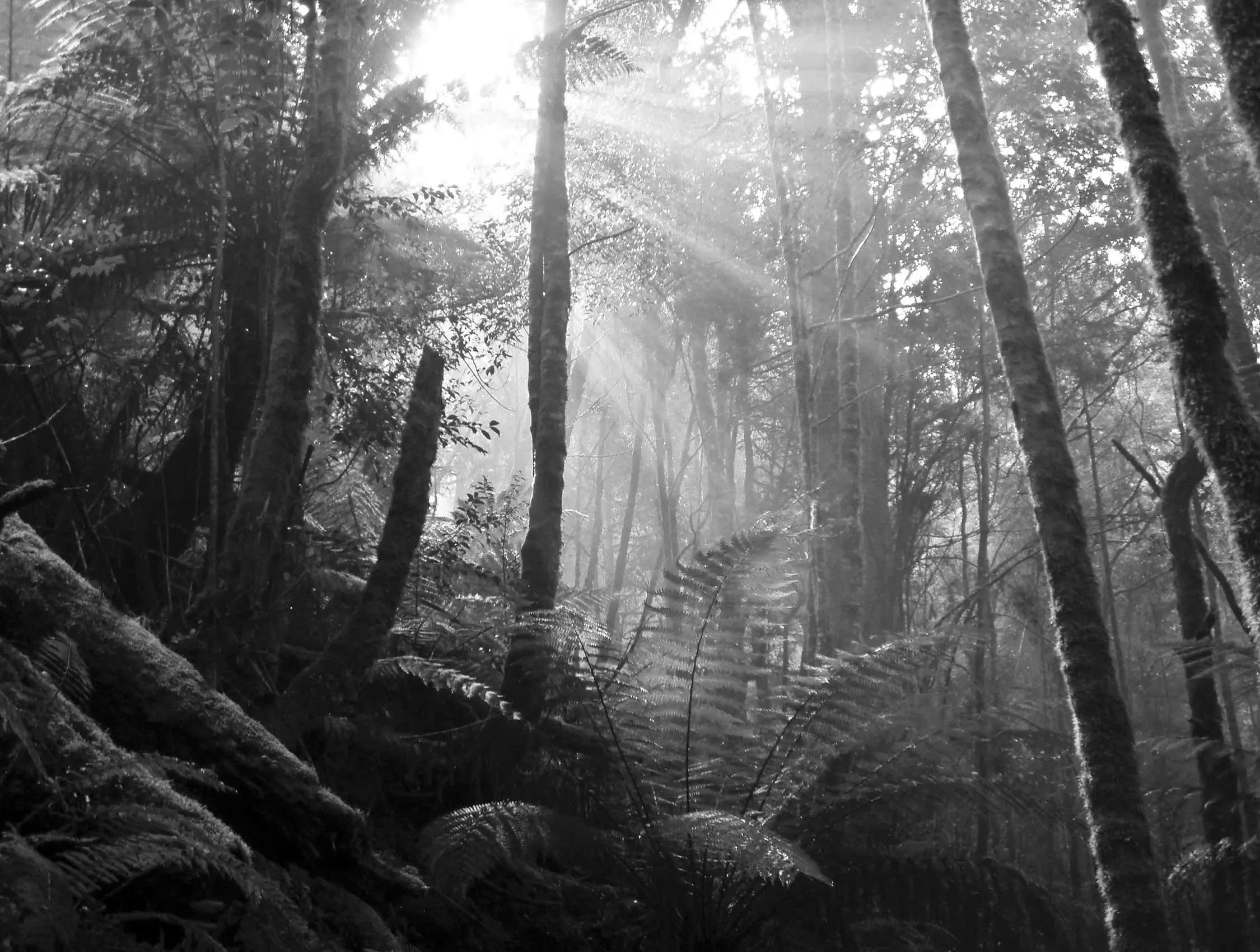
Filtered sunlight in Takayna / Tarkine forest
Pure air and easy access to nature make Tasmania a powerful place to unplug and immerse in nature.
Deep breathing sits at the heart of forest bathing practice. And in Tasmania, you're basking in some of the cleanest air on Earth according to scientific measurements.
Discover the prehistoric Takayna / Tarkine, Australia's largest expanse of cool-temperate rainforest blanketing the state’s north west. Or roam any number of national parks and reserves, which protect nearly half of the island.
In Tasmania’s forests you’ll find ancient plants that are living links to the supercontinent Gondwana. Moss, one of the oldest types of land plants on the planet, cloaks the forest floor. Giant Tasmanian tree ferns (Discksonia antarctica) grow up to 15m high while leatherwood, sassafras, myrtle beech and Huon pine – which can live to 3000 years-old – create a dense green understorey beneath towering eucalypts.
You’re not imagining it when you feel better after a gentle walk in Tasmania’s forests. Soil bacteria called Mycobacterium vaccae, found naturally in forest environments, triggers serotonin release in the brain. Simply breathing the earthy scent of forest air can make you feel calmer and happier.


Here's our forest therapy guide to help you get the full experience.
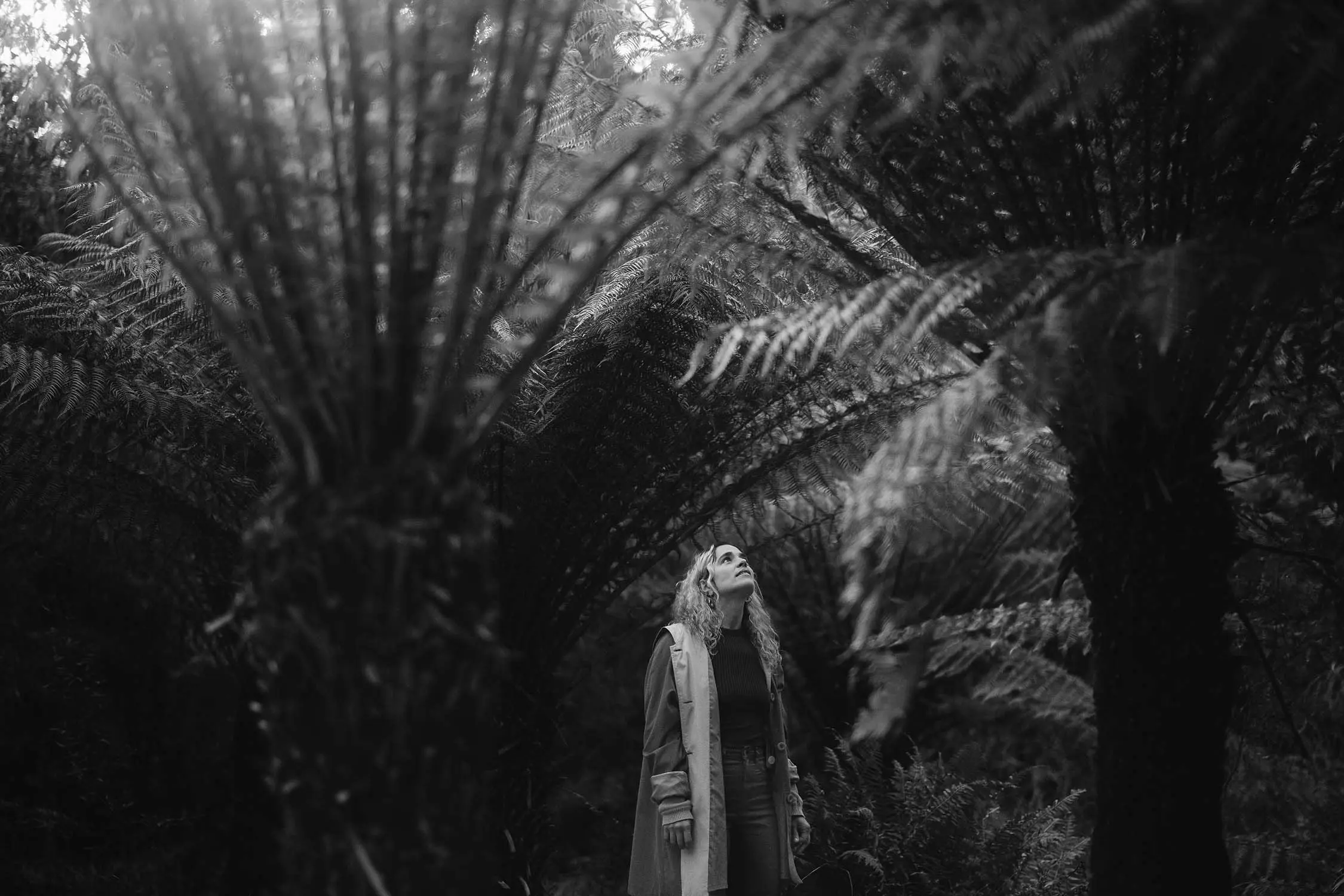
Surrounded by Tasmanian tree ferns at Waterworks Reserve, Hobart
With abundant forests and easily accessible reserves, discover countless forest bathing opportunities across Tasmania. Here are five spots to get you started.
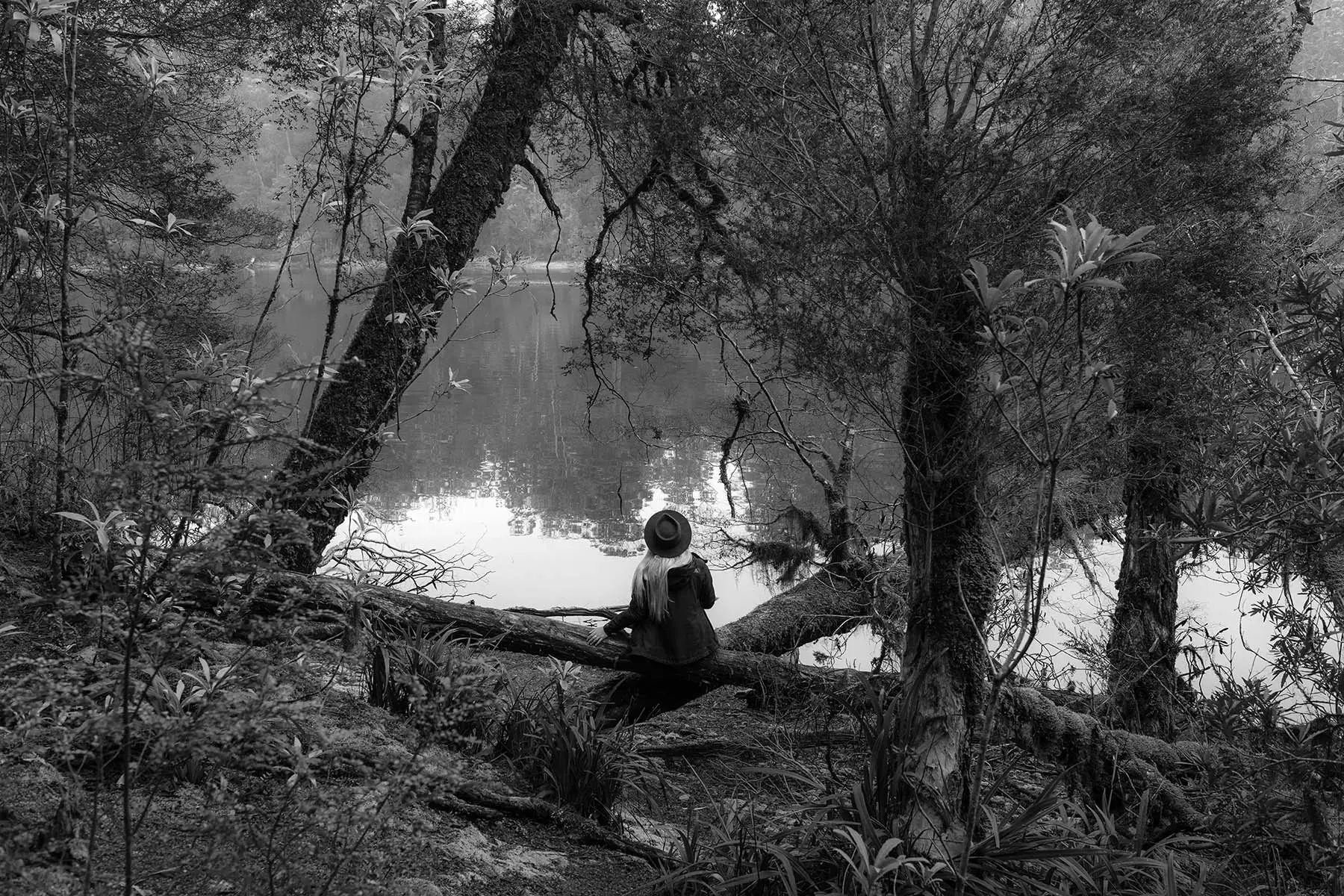
Nourish your soul on a stroll along the Huon Pine Walk, tracing the whisper-quiet waters of the Pieman River. Cocooned in primeval forest where ancient Huon pines cling to the riverbanks, this Great Short Walk near Corinna comes with every shade of green and a sense of remoteness. In the north, a short path through lichen-covered myrtle beeches provides time for reflection by the still, mirror-like Lake Chisholm.
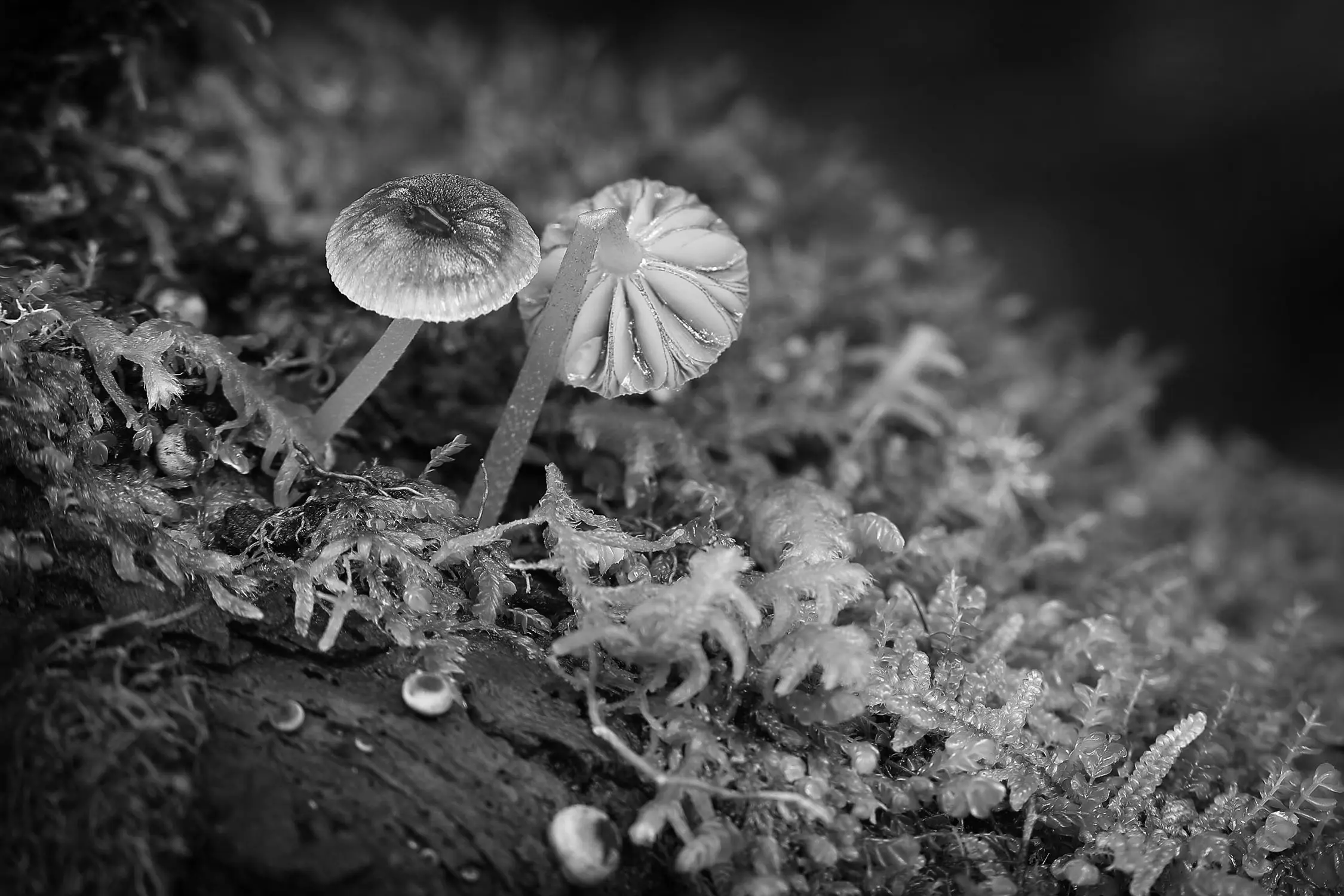
Brush past colossal man-ferns and mossy myrtles in Mount Field National Park to feel the spray of multi-tier Russell Falls as it spills into a rockpool below. For meditative tree bathing, the quieter Tall Trees walk loops through towering swamp gums with ribbons of bark often trailing down their steep trunks. These living forest legends are the tallest tree species in Australia (and second tallest in the world) growing up to 100m in height.
Enchanted Walk, in Cradle Mountain-Lake St Clair National Park, lives up to its name in any season. In winter, ignite your senses with the satisfying crunch of snow underfoot, frosted ferns and vivid fungi. This gentle 1.1km circuit starts from the bridge crossing Pencil Pine Creek, near Cradle Mountain Lodge, and meanders through magical, mossy forest alongside a cascading creek. Saunter slowly at dawn to hear the rustle of pademelons and wombats grazing at the forest’s edge.
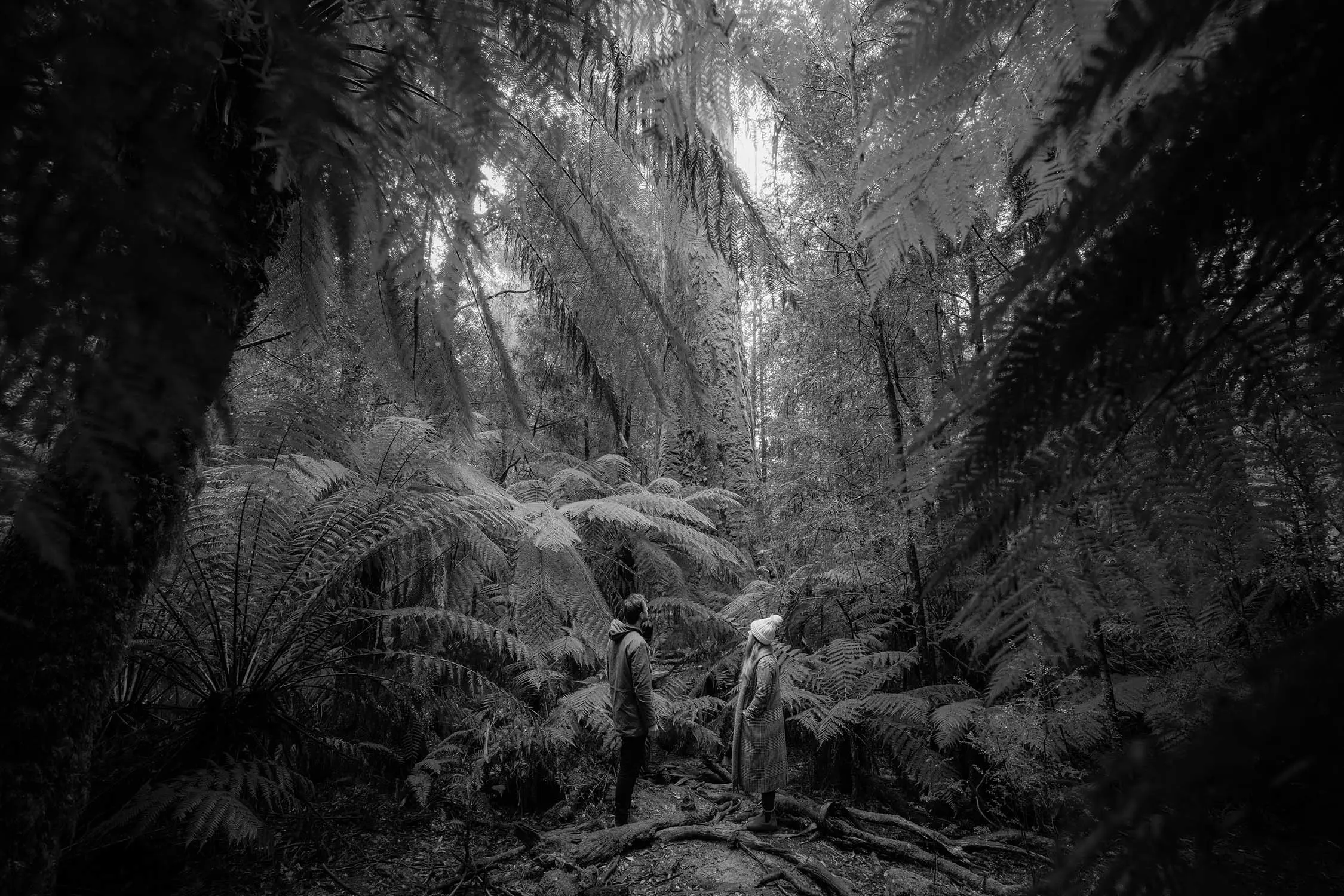
Tall trees in the Styx Valley, southern Tasmania
Feel small amongst the forest giants of Styx Tall Trees Conservation Area, a 2hr drive from Hobart. On the Big Tree Reserve boardwalk, immerse in humbling surroundings with ancient ash trees soaring 90m overhead. Some of the ash trees have stood in place for 500 years and carry evocative names like Gandalf's Staff and Icarus Dream. Breathe in the cool air – this is one of the world's most carbon-dense forests.
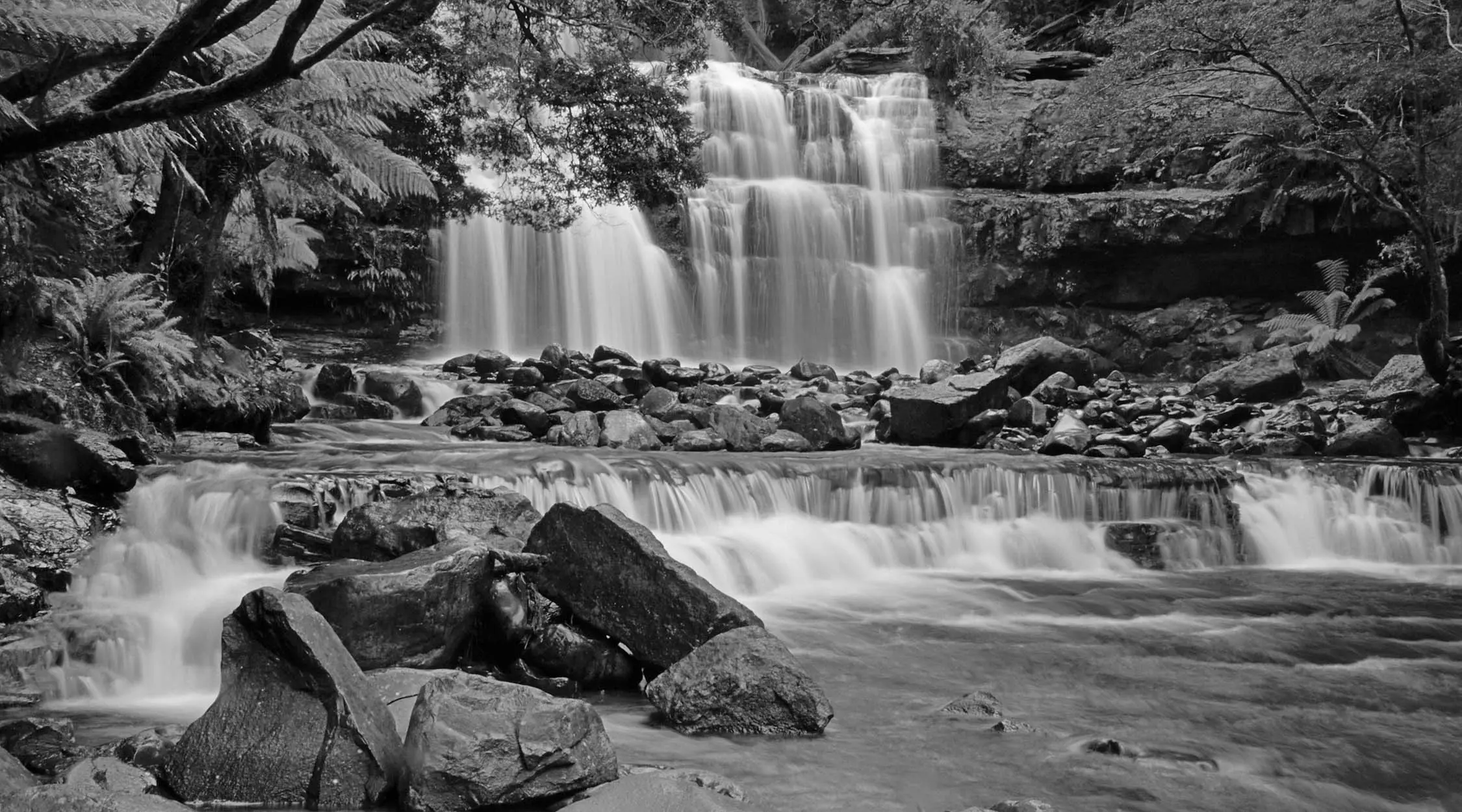
Liffey Falls, near Deloraine in northern Tasmania, offers two paths through cool-temperate forest to the falls. Walk through towering ferns and eucalypts, soundtracked by the soothing rush of falling water. The shorter, 2km return path from the upper car park follows the Liffey River downstream, passing three cascades on its way to the wide, multi-tiered Liffey Falls. Viewing platforms along the route offer natural stop spots for extended forest therapy sessions.


Tasmania's natural areas work year-round for forest therapy. Autumn (March–May) has mild temperatures and a vivid colour palette – especially during the turning of the fagus. In winter (June–August) expect crisp conditions, fewer people and possible snow. Spring (September–November) brings fragrant wildflowers, newborn wildlife and gushing waterfalls. Summer (December–February) has long sunlit days for extended forest bathing opportunities.
The Takayna / Tarkine in north-west Tasmania offers still rivers and fairytale forest without the crowds. For accessible solitude near Hobart, head for the hush of Mount Field National Park in the morning. For prepared hikers and adventurers, a sense of real remoteness can be found in Southwest National Park.
No, you don't need a guide but it might enhance your experience with local knowledge and make for a safer experience. Guided sessions can help you learn the principles of forest bathing and how to awaken your senses to the sights, sounds, smells and sensations of the forest. But the beauty of Shinrin-yoku is that it can be experienced solo or with others, in any natural environment – where possible, avoid exploring Tasmania’s alpine and remote areas alone, especially in winter.
For a guided, introductory forest therapy experience, join Shinrin-yoku North West on a sensory walk in north-west Tasmania.
Yes, you will need a valid parks pass if you’re entering Tasmania’s 19 national parks, including Mount Field and Cradle Mountain-Lake St Clair national parks. Day passes and annual passes are available from the Tasmanian Parks and Wildlife Service. Other protected areas and reserves, like Styx Tall Trees Conservation Area, Liffey Falls State Reserve and parts of the Takayna / Tarkine locations don't require passes.
Absolutely. Rain intensifies the forest bathing experience with heightened scent, the patter of water on leaves, plus glistening moss and lichen. Just dress properly: waterproof layers, good footwear, warm clothes underneath to keep you from getting cold or wet. If rain is forecast, try these short all-weather walks.
Fill your nights with wild wonder, expand your creative horizons, hike deep into Tasmania’s wilderness, and taste seasonal feasts and silky libations. Maybe you’ll even shatter the bounds of your comfort zone on a caving or cold-plunging adventure? Awaken your winter self.
Plan your Off Season
Don your woolly socks and subscribe to the Off Season newsletter to be the first to know about Tasmania’s winter festivals, experiences and special deals.
